
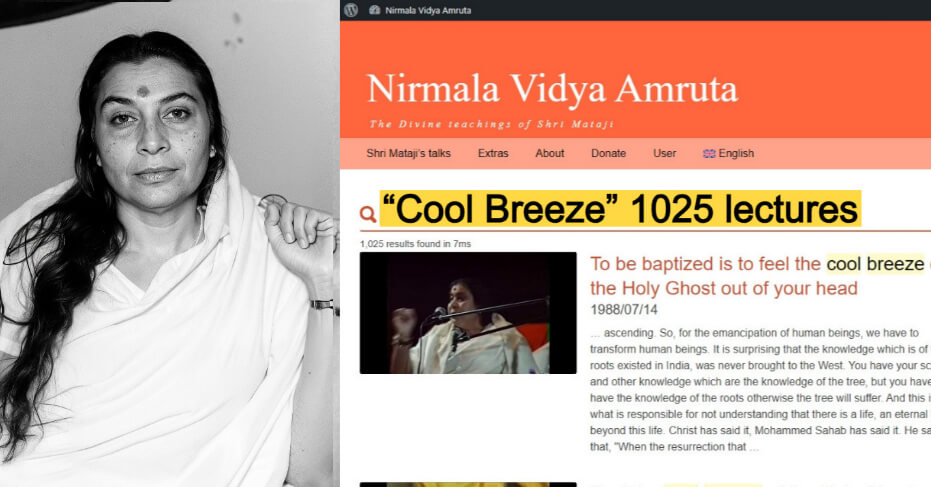
It is easy for people to confuse Chi (Cool Breeze) with the air.
Dr. Pang Ming
i) the Hindus/Buddhists must know they can meditate on His Shakti/
Devi within after Atma Jnana (self-realization) and feeling the
Prana;
ii) the Sikhs must know they can meditate on the Aykaa Mayee
within after opening of their Dsam Duar and experiencing the Prana;
iii) the Christians/Jews must know they can meditate on His Holy
Spirit/Shekinah within after Second Birth/experiencing His Ruach;
iv) the Muslims must know they can meditate on His Ruh within after
the Baptism of Allah/experiencing Wind of Qiyamah;
v) the Taoists must know they can meditate on the Tao within after
experiencing the Original Breath (Yuan Chi);
The Primordial Breath: Chi, Prana, Ruach and the Blossom Time of Metamorphosis
Table of Contents
- 1. Introduction: Beyond Physical Breath
- 2. The Multivalent Nature of Subtle Life Energy
- 3. Dr. Pang Ming's Tripartite Theory of Chi
- 4. Tom Tam and Michael Winn on Yuan Chi and Wuji
- 5. Metamorphosis and the Blossom Time
- 6. Comparative Theological Implications
- 7. Conclusion: Breathing the Primordial Breath
- References
1. Introduction: Beyond Physical Breath
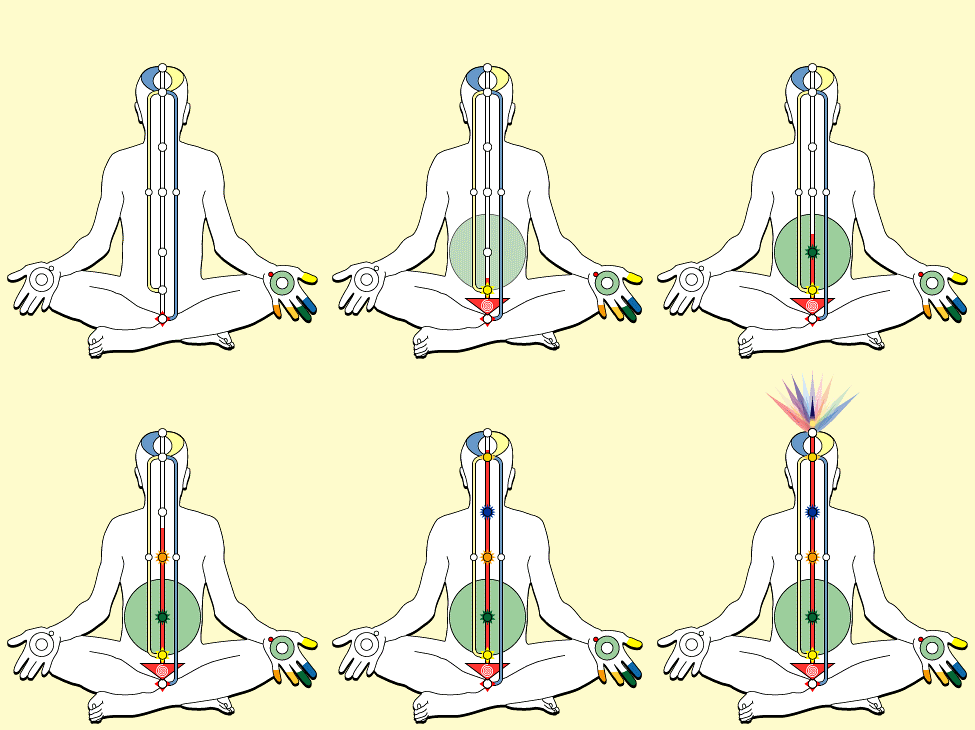
Across diverse spiritual traditions, a paradoxical teaching emerges: that which appears as mere physical respiration contains within it the gateway to transcendent awakening. The central thesis presented in the source material declares: "It is easy for people to confuse Chi (Cool Breeze, Prana, Ruach, Wind of Qiyamah) with the air that we breathe. In fact the vast majority are unaware of this subtle Chi." [1] This confusion between the mundane and the sacred, the physical and the metaphysical, represents what comparative religion scholar Huston Smith might term a "forgotten truth" shared across wisdom traditions.
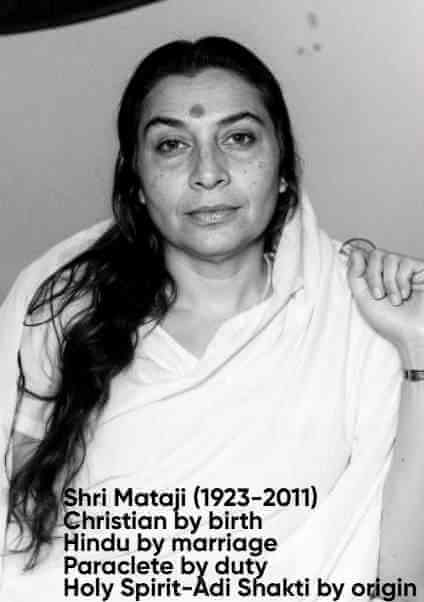
This paper analyzes this shared mystical understanding through three primary lenses: Dr. Pang's scientific-spiritual exposition of Chi in Zhineng Qigong, Tom Tam's exposition of Yuan Chi as life essence, and Michael Winn's description of wuji and primordial breath as doorways to the Tao. These perspectives collectively illuminate a cross-cultural phenomenology of subtle energy that transcends sectarian boundaries while honoring distinctive traditional frameworks. The argument proceeds that the regular experience of this subtle energy indicates an evolutionary process—a "slow and steady metamorphosis long promised by the scriptures"—culminating in what Shri Mataji called the "Blossom Time," the age of spiritual flowering. [1]
2. The Multivalent Nature of Subtle Life Energy
The source material presents a remarkable ecumenical synthesis, identifying parallel concepts across major world religions [1]:
- Hinduism/Buddhism: Prana experienced after Atma Jnana (self-realization), leading to meditation on Shakti/Devi.
- Sikhism: Prana experienced after opening of Dasam Duar (tenth gate), leading to meditation on Aykaa Mayee.
- Christianity/Judaism: Ruach (Holy Spirit/Shekinah) experienced after Second Birth.
- Islam: Ruh experienced after the Baptism of Allah/Wind of Qiyamah.
- Taoism: Yuan Chi (Original Breath) leading to meditation on the Tao.
This mapping suggests not merely analogous concepts but potentially a shared experiential reality described through different cultural lexicons. The theological implications are substantial: each tradition contains within its contemplative practices a pathway to direct experience of what might be termed the animating principle of existence.
3. Dr. Pang Ming's Tripartite Theory of Chi
Dr. Pang Ming, founder of Zhineng Qigong, provides perhaps the most systematic exposition of Chi in the source material. He explicitly warns against reductionism: "It is easy for people to confuse chi with the air that we breathe. Therefore, qigong has been translated as breathing exercises and this is a misleading concept." [2]
The Three Aspects of Chi
Dr. Pang delineates three interrelated dimensions [2]:
1. Chi of nature: "The finest building block of the universe and everything within it... called Yuan (primal), Yuan chi (primary chi), Tao chi, T'i chi, T'i yi (primal unity)." This characterization positions Chi as both transcendent and immanent—the formless source of all formed existence.
2. Chi within the human body: "A special substance or force that sustains human life." Here Chi functions as the interface between the primordial and the particular.
3. Exchange of chi between human and nature: "The process of human life is a process of exchange of chi and the transformation of chi between human and nature."
The Integrated Oneness Theory
Dr. Pang's "basic theory of integrated oneness" presents a holistic cosmology, affirming that "Human and nature are one. We are part of the whole system." [2] This framework resonates with both traditional Chinese correlative cosmology and modern systems theory.
4. Tom Tam and Michael Winn on Yuan Chi and Wuji
Tom Tam's contribution focuses specifically on Yuan Chi, drawing from the Yi Jing (I Ching): "In the book Yi Jing, the first hexagram is the Creator - Heaven over Heaven. The essential reading of this hexagram is 'Yuan, the beginning of Chi.'" He identifies Yuan Chi as "the Chi of creation and the life essence," and asserts it is "the most fundamental and important Chi in the human body." [3]
Michael Winn extends this analysis into more explicitly metaphysical territory, describing a state of pure openness called wuji: "It looks like emptiness, but it's not. It is filled with the original Oneness, called in China Original Breath (Yuan Chi)." [4] He makes a crucial theological distinction:
This apophatic approach echoes negative theology in other mystical traditions, suggesting a non-theistic mysticism that accesses the same primordial reality.
5. Metamorphosis and the Blossom Time
The source material posits a developmental process: "Thus those who are experiencing Chi daily must know they are evolving, a slow and steady metamorphosis long promised by the scriptures." [1] The metaphor of metamorphosis is particularly potent, drawing on the biological transformation of caterpillars into butterflies as an analogue for spiritual transformation.
The provided dictionary definition emphasizes two aspects [1]:
- "Change of physical form, structure, or substance especially by supernatural means"
- "A typically marked and more or less abrupt developmental change"
This dual characterization accommodates both gradual cultivation and sudden awakening models of spiritual progress. Shri Mataji's terminology—"the Blossom Time, the age to become the spirit"—evokes both natural processes of flowering and eschatological fulfillment. [1] This suggests not merely individual transformation but collective awakening, aligning with various traditions' concepts of a coming spiritual age.
6. Comparative Theological Implications
The syncretic approach in the source material raises significant questions for comparative theology:
1. Experiential ecumenism vs. doctrinal exclusivism: Can distinct traditions recognize the same experiential reality while maintaining different theological interpretations?
2. Perennial philosophy revisited: Does this convergence suggest a perennial wisdom underlying diverse traditions, or does it represent a problematic homogenization?
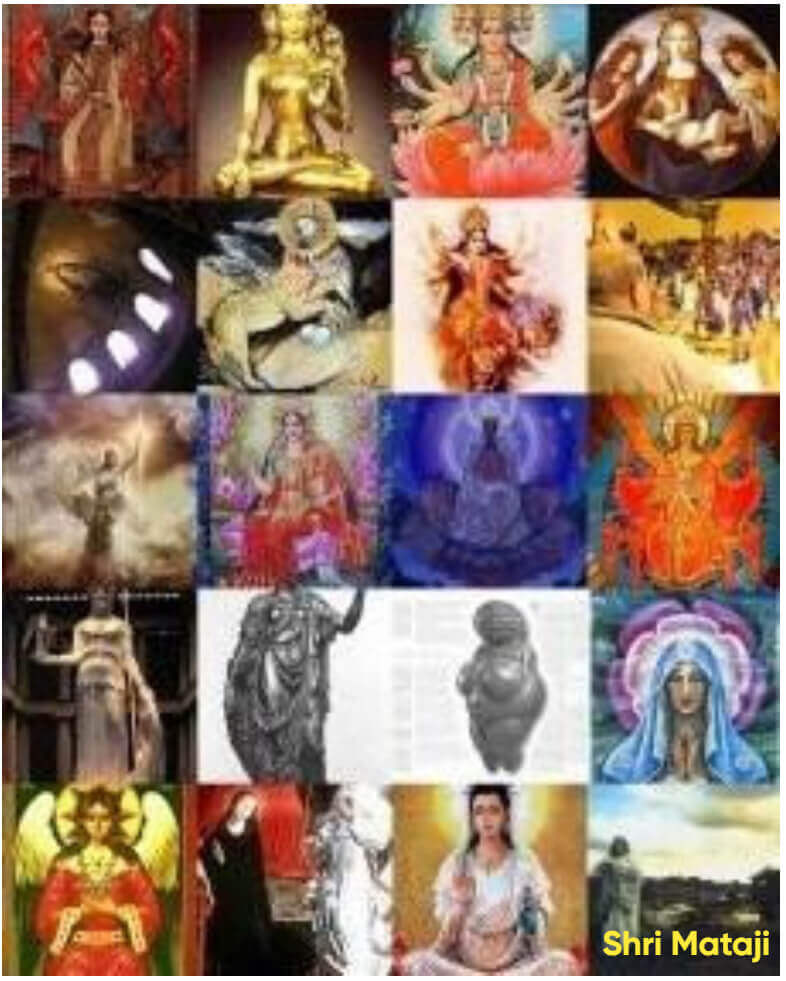
3. The status of "energy" in religious experience: How does the concept of subtle energy relate to more traditional concepts of grace, spirit, or divine immanence? Notably, in this framework, the Paraclete or Holy Spirit is understood in the feminine aspect, as Shekinah or the Divine Mother.
4. Practice across boundaries: What are the implications for spiritual practice outside one's native tradition?
The methodology implied by the source material represents a constructive approach to interreligious dialogue focused on contemplative experience rather than doctrinal agreement.
7. Conclusion: Breathing the Primordial Breath
This analysis reveals a remarkable cross-cultural consensus regarding subtle life energy as distinct from physical breath yet accessible through it. From Dr. Pang's systematic qigong theory to Tom Tam's exposition of Yuan Chi and Michael Winn's description of wuji, a coherent understanding emerges of primordial breath as both the substance of creation and the means of spiritual regeneration.
The practical consequence is profound yet simple: what appears as ordinary respiration contains within it the possibility of extraordinary awakening. The daily experience of Chi, in its various traditional forms, represents participation in what might be termed "the human metamorphosis"—the actualization of latent spiritual potentials.
As the source material concludes, "Amongst those aware, few know how to instantly activate this flow of Divine Breath and meditate on The Mother Tao within to attain immortality." [1] This paper has endeavored to clarify that awareness, contributing to the cross-cultural dialogue that may yet help realize the promised metamorphosis of human consciousness in this Blossom Time.
References
[1] Forum Note. "It is easy for people to confuse Chi (Cool Breeze) with the air." AdiShakti.org Forum, 20 Apr. 2007.
[2] Dr. Pang Ming. Basic Theory of Zhineng Qigong. Excerpt published on AdiShakti.org Forum, 20 Apr. 2007.
[3] Tom Tam. "Chi and Libido." Excerpt published on AdiShakti.org Forum, 20 Apr. 2007.
[4] Michael Winn. Tai Chi Enlightenment. Excerpt published on AdiShakti.org Forum, 20 Apr. 2007.
April 20, 2007
i) the Hindus/Buddhists must know they can meditate on His Shakti/
Devi within after Atma Jnana (self-realization) and feeling the
Prana;
ii) the Sikhs must know they can meditate on the Aykaa Mayee
within after opening of their Dsam Duar and experiencing the Prana;
iii) the Christians/Jews must know they can meditate on His Holy
Spirit/Shekinah within after Second Birth/experiencing His Ruach;
iv) the Muslims must know they can meditate on His Ruh within after
the Baptism of Allah/experiencing Wind of Qiyamah;
v) the Taoists must know they can meditate on the Tao within after
experiencing the Original Breath (Yuan Chi);
 Basic Theory of Zhineng Qigong
An excerpt from Dr. Pang's book
What is chi?
It is easy for people to confuse chi with the air that we breathe. Therefore, qigong has been translated as breathing exercises and this is a misleading concept. Although, breathing is an important aspect of practice for various schools of teaching, the chi that we cultivate in qigong is different from the air which we inhale and exhale. From the point of view of ancient Chinese culture and traditional Chinese theory, we can understand chi from the following aspects:
a) Chi of nature:
it is the finest building block of the universe and everything within it. It is formless, shapeless, invisible, intangible, it fills the whole universe. It is infinitely expansive without any boundaries, what is within is without. It is the most extremely finest element without any interior. It is also called Yuan (primal), Yuan chi (primary chi), Tao chi , T'i chi, T'i yi (primal unity). Ancient sages believe this formless chi is the source of all form ,matter, and all existence. Zai Zhen speaks of changes of the universe"The formless primal origin is the substance of chi...the process of its' dissipation and condensing, induces all form of change....
b) Chi within the human body:
it is a special substance or force that sustains human life....
c) Exchange of chi between human and nature:
According to qigong theory the process of human life is a process of exchange of chi and the transformation of chi between human and nature....
Definition of qigong:
Based upon ancient Chinese metaphysical cosmology, Qigong, internally cultivates activity of the mind upon ones own initiative, intention, or will (which includes cultivating heart, fine tuning body, and regulating breath ). It is a practice to inform, perfect, and improve the conscious potential of the body as a whole thereby uplifting the human instinct to the consciousness of autonomous wisdom.
This definition indicates the theoretical foundation of qigong, while it clarifies specific methodologies and practices, and also defines the objective of qigong science.
The basic theory of integrated oneness
1. The universe is an integral body consisting of many levels of material form , which co-exist with each other while transforming from one to another.
2. The human body is an integral form centered around five organs and six glands and nurtured by blood and the vital force called chi in the meridian system. Thus, the body is an integral system of the physical , chi, ad mind.
3. Human and nature are one. We are part of the whole system. As a part of that system we mirror each other and the system as a whole. Therefore, ancient sages named the body as microcosmic. A human body can be perceived as a conglomeration of energy fields, a concrete and sealed unit within which energy can flow and from which energy can exchange and transfer to other bodies and everything in the universe. The integral theory of oneness is not only the theoretical foundation of the school of qigong, it is also the essence of Chinese culture.
Dr. Pang, Basic Theory of Zhineng Qigong
"In the book Yi Jing (I Ching), the first hexagram is the Creator - Heaven over Heaven. The essential reading of this hexagram is"Yuan, the beginning of Chi.”In Ancient China, Yuan Chi was defined as the Chi of creation and the life essence. In some translations, Yuan Chi is the"Inborn"Chi," primordial"Chi or"genuine"Chi. It is the most fundamental and important Chi in the human body.”
Chi and Libido by Tom Tam
"These ascended Tao masters are said to hang out in a state of pure openness called wuji. It looks like emptiness, but its not. It is filled with the original Oneness, called in China Original Breath (Yuan Chi). Wuji is another way of saying"primordial state", and yuan chi is often translated as"primordial breath.” Wuji is the Taoist equivalent of the Godhead, the direct doorway to the Tao itself, from which Original Chi first breathes life into Creation. Tao is the undefinable totality of Nature. It embraces non-being as well, so Tao is even beyond our concept of a Creator-God.
Wuji is thus like the Godhead without a God or Goddess sitting in it. It the closest that humans can aspire to returning to the Origin, the formless One source of all life before Creation begins birthing what Lao Tzu calls"The ten thousand things.”
Michael Winn
www.taichi-enlightenment.com/