


ALLAH'S (SWT) COMMAND TO WITNESS AL-QIYAMAH (THE RESURRECTION)
I do call to witness the Resurrection Day; And I do call to witness the self-reproaching Spirit.(Qur'an 75:1-2)
Allah Will Not Address Them on the Day of Resurrection, Nor Purify Them
An Academic Inquiry into the Concealment of Al-Qiyamah and the Unfulfilled Promise of Divine PurificationAbstract: This paper advances a critical Qurʾānic and hermeneutical argument that the Muslim community (ummah) has been systematically deprived of direct address regarding An‑Nabaʾ al‑ʿAẓīm (The Great News) of al‑Qiyāmah (the Resurrection), and consequently has not been purified through what the Qurʾān itself names as Allah’s Baptism (Ṣibghat Allāh). Building on Surah al‑Baqarah 2:174–176, and drawing extensively on primary Qurʾānic texts as presented and analyzed at adishakti.org, the paper contends that centuries of interpretive concealment by religious authorities have rendered the Resurrection a postponed abstraction rather than a present, unfolding divine event. The result is a community unaware that the Resurrection is taking place, precisely fulfilling the Qurʾānic warning that Allah will neither address nor purify those who conceal His revelations. The paper raises direct, text‑based questions to Muslims that—if answered honestly—expose the internal incoherence of prevailing eschatology and the gravity of the concealment.
Table of Contents
- 1. Introduction: The Operative Judgment of Surah al-Baqarah
- 2. The Great Concealment: Transforming the Great News into a Distant Terror
- 3. The Fulfillment of Iblis's Vow: Religious Certainty Without Realization
- 4. Allah Has Not Addressed Them: The Divine Silence as Judgment
- 5. Allah Has Not Purified Them: The Missing Baptism of Allah (Ṣibghat Allāh)
- 6. Questions That Expose the Concealment
- 7. A Warning to the Ummah: The Prophecy of the Unbelievers
- 8. Conclusion: The Qur'an as Witness Against Its Guardians
- References
1. Introduction: The Operative Judgment of Surah al-Baqarah
Surah al-Baqarah 2:174–176 articulates one of the Qurʾān’s most severe indictments, not as a historical record, but as a timeless, operative principle of divine justice:
Those who conceal Allah’s revelations in the Book, and purchase for them a miserable profit— they swallow into themselves naught but Fire: Allah will not address them on the Day of Resurrection, nor purify them; grievous will be their penalty. They are the ones who buy Error in place of Guidance, and Torment in place of Forgiveness. Ah! What boldness (they show) for the Fire! [1]
This paper argues that this warning is not a distant moral abstraction but a present, fulfilled judgment. It applies directly to the systematic concealment of revelations pertaining to al-Qiyāmah (the Resurrection), especially the meaning of An‑Nabaʾ al‑ʿAẓīm (The Great News). The central claim is stark: Allah has not addressed the Muslim ummah about the Resurrection because its religious leaders have concealed its signs and true nature; therefore, the ummah has not been purified by Allah. The silence of Allah is not a future threat; it is the current state of affairs. The absence of purification is not a postponed punishment; it is the lived reality of a community cut off from the experiential dimension of its own scripture.
This analysis relies extensively on the documented Qurʾānic evidence and hermeneutical challenges raised at adishakti.org, which assembles Qurʾānic passages that, when read without sectarian filtering, present al-Qiyāmah as a living, experiential, and present reality—not merely a future cataclysm. [2] The purpose is not polemical dismissal, but Qurʾānic accountability: allowing the Book to judge those who claim exclusive guardianship over it.
2. The Great Concealment: Transforming the Great News into a Distant Terror
Surah an-Nabaʾ (78:1–5) opens with a profound question that hangs over the entire Islamic tradition:
“About what are they asking one another? About the Great News (An‑Nabaʾ al‑ʿAẓīm), about which they are in disagreement. Nay, they will come to know! Nay, again, they will come to know!” [3]
The Qurʾān does not treat this “Great News” as speculative theology. It is an urgent, imminent reality. Yet, mainstream Islamic teaching has successfully reduced al-Qiyāmah to an end-of-time spectacle, a distant horror film of cosmic destruction. This act of interpretive postponement defers all accountability, strips the text of its immediacy, and transforms a message of spiritual awakening into a tool of fear and control. The ulema have, in effect, told the ummah that the most important event in their spiritual lives will happen only after they are dead, ensuring that no one seeks its signs or its blessings in the here and now.
As documented at adishakti.org, the Qurʾān repeatedly describes a Resurrection that is an ongoing process, characterized by: signs already manifest in the world and within the human spirit; a present sorting of believers and disbelievers based on their inner state; and a living process of spiritual rebirth available to humanity. [4] The unavoidable question remains: If al-Qiyāmah is not occurring now, why does the Qurʾān speak in the present tense about people already being misguided, sealed, deprived, and unpurified?
3. The Fulfillment of Iblis's Vow: Religious Certainty Without Realization
The Qurʾān records Iblīs’s promise to Allah to mislead humanity until the Day of Resurrection. The prevailing Muslim assumption is that this day has not yet arrived. The evidence presented here suggests the opposite: the Day has arrived, and the misguidance has succeeded beyond Iblis's wildest dreams.
“(Iblis) said: ‘My Lord, because You have put me in the wrong, I will surely make (sin) fair-seeming to them on the earth, and I will put them all in the wrong, except Your chosen servants among them.’ (Allah) said: ‘This is for Me a straight path. Surely, as for My servants, you have no authority over them, except those who follow you of the deviators.’” [5]
The ultimate deception of Iblis is not atheism or overt paganism. It is religious certainty without spiritual realization. It is a community that fanatically guards the letter of the law while remaining completely blind to its spirit. It is belief without purification, scripture without address, and devotion without divine connection. The ulema, by insisting on a purely historical and legalistic interpretation of the Qurʾān, have become the perfect agents of this deception. They have taught Muslims to worship a book about a past prophet, rather than seeking the living God who speaks and acts in the present.
4. Allah Has Not Addressed Them: The Divine Silence as Judgment
The prophecy of Surah al-Baqarah is precise: “Allah will not address them.” This is the core of the judgment. To be unaddressed by God is to be left to one’s own devices, to wander in a wilderness of human interpretations and sectarian disputes. The cacophony of conflicting fatwas, the endless debates over trivial matters of ritual, and the spiritual emptiness that pervades much of the Muslim world are not signs of a vibrant faith; they are the sounds of a community that has not been addressed by its Creator.
If Allah were addressing the ummah, there would be unity, clarity, and a shared experience of the divine. Instead, there is division, confusion, and a profound spiritual hunger. The Great News of the Resurrection is meant to be a unifying, transformative message. Its absence is the proof of its concealment.
5. Allah Has Not Purified Them: The Missing Baptism of Allah (Ṣibghat Allāh)
Inseparably linked to the divine address is divine purification. Surah al-Baqarah 2:138 declares:
“(Ours is) the Baptism of Allah (Ṣibghat Allāh), and who is better than Allah in baptizing? And it is He Whom we worship.” [1]
This verse is recited but never realized. Islam, as practiced today, acknowledges no experiential, verifiable purification equivalent to Allah’s Baptism. Ritual ablutions (wudu) cleanse the body, but Ṣibghat Allāh is a baptism of the spirit, a cleansing of the inner being from guilt, sin, and corruption. This paper argues that this absence is not accidental but is the direct result of concealing al-Qiyāmah. Purification is the very purpose of the Resurrection. Without recognizing the living Resurrection, Ṣibghat Allāh remains a verse without fulfillment, a promise without a process.
Thus, the charge of Surah 2:174 stands: Allah does not purify those from whom the Resurrection has been concealed. The spiritual diseases of anger, greed, division, and violence that plague the ummah are the symptoms of this unpurified state.
6. Questions That Expose the Concealment
The following questions, derived from a deep, text-internal reading of the Qurʾān, are posed to the ulema and to every Muslim who seeks the truth. They are designed to expose the fundamental contradictions in the mainstream interpretation of Al-Qiyamah. They remain unanswered because they cannot be answered within the framework of the distorted, fear-based eschatology that has been passed down for centuries: [4]
- If Qiyamah is truly a sudden cataclysm of destruction, why does the Qur'an speak of Allah "addressing" humans during this time—implying communication, instruction, and ongoing dialogue?
- Who are those whom Allah will not address during the Great Announcement (Surah 78:1-5 An-Naba), and what have they done to deserve this divine silence?
- If the Resurrection were truly a day of mountains crashing and skies melting, of tumultuous panic and horrified confusion, what purpose would there be in Allah addressing anyone at all?
- What does the Qur'an mean by "Allah will not purify them"—and what is this purification that believers are promised but concealers are denied?
- How exactly does Allah purify humans? What are the instructions and techniques to cleanse the mind, body, and spirit of defects—and why have the ulema never taught them in fourteen centuries?
- If Qiyamah is instantaneous destruction, how can there be time for a process of purification that distinguishes True Believers (Al-Mu'minun) from rejecters?
- How is it possible for humans to "buy error in place of Guidance" during Qiyamah if it is already too late, if humanity is fleeing in blind terror and mad pandemonium?
- Who are the Defrauders (Al-Mutaffin) who continue to mislead during the Resurrection, and why do Muslims still follow them even now?
- Why would anyone choose "torment in place of forgiveness" during the Great News—unless they have been so thoroughly deceived that they cannot even recognize the Resurrection when it arrives?
- If the ulema have correctly interpreted Al-Qiyamah, why can they not explain how Allah will address and purify believers during a day of cosmic annihilation?
- Why does the Qur'an describe Qiyamah as "Great News" (An-Naba) if it is only a day of terror and destruction? Is not "news" something to be communicated, understood, and acted upon?
- If the Resurrection comes without warning, as the ulema claim, why does the Qur'an repeatedly speak of "signs" (ayat) that will precede and accompany it?
- Why does Surah Al-Qiyamah (75) speak of the "self-reproaching Spirit" (an-nafs al-lawwamah) if the Resurrection is not a time of inner spiritual transformation?
- How can the ulema explain that Iblis was given respite only "until the time made known"—the Day of Resurrection—yet they claim his deception continues even after that Day has supposedly not yet arrived?
- If the ulema truly understood Al-Qiyamah, why have they produced no spiritual transformation in the Ummah for fourteen centuries—only fear, division, and violence?
- Is Qiyamah the Peace of Allah's Grace, or the Wrath of His Anger?
- Is Qiyamah the joyous Night of Power (Surah 97:1-5 Al-Qadr), or the dire Day of Clamour (Surah 101:1-11 Al-Qari'ah)?
- Is Qiyamah the serenity of spiritual cleansing by the Merciful, or the sudden terror of human genocide by Allah?
Silence or deflection in the face of these questions confirms the charge of concealment. The ulema have no answers because their entire interpretation is built upon a foundation of lies.
7. A Warning to the Ummah: The Prophecy of the Unbelievers
On 28 February 1990, Shri Mataji Nirmala Devi, the Adi Shakti and initiator of the Resurrection, delivered a stunning confirmation of this state of affairs:
“In Islam there was a complete surah written about Her… The surah She refers to is Al‑Qiyāmah (The Resurrection)! And the Unbelievers (Al‑Kāfirūn) will be the entire Muslim community who will collectively reject what is written in black and white in their own Qurʾān.” [6]
This testimony reframes disbelief not as a rejection of God, but as a rejection of what God has already revealed and is actively fulfilling. The greatest unbelievers are not those outside the faith, but those within it who refuse to see the truth of their own scripture made manifest. The Qurʾān itself prophesied this rejection:
Then what is the matter with them that they turn away from admonition? — As if they were affrighted asses, fleeing from a lion! [3]
This is a direct description of the modern-day ummah, fleeing from the truth of the living Resurrection out of a conditioned fear of a fabricated Doomsday.
8. Conclusion: The Qur'an as Witness Against Its Guardians
Surah al-Baqarah 2:174–176 is not a warning to ancient peoples; it is a verdict on a present condition. By concealing the living reality of al-Qiyāmah, Islamic religious authorities have fulfilled the very prophecy they recite. Allah has not addressed them, nor purified them, because the Resurrection—An‑Nabaʾ al‑ʿAẓīm—has been hidden from those who most claim to guard it.
The Qurʾān itself now stands as witness against its concealment. The question is no longer whether al-Qiyāmah is occurring, but whether Muslims will have the courage to read their own Book and recognize what it declares, before the Fire they have been warned about consumes the last refuge of denial. The choice now lies with each individual Muslim: to remain in the silent, unpurified darkness of concealed tradition, or to seek the Great News of the living Resurrection for themselves and receive the address and purification that is their divine birthright.
References
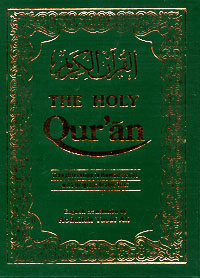
[1] Abdullah Yusuf Ali. "The Holy Qur'an." Amana Corporation, 1989, p. 724.
[2] "Allah will not address them on the Day of Resurrection, nor purify them." Adishakti.org.
[3] "Shri Mataji: 'There is a very big chapter on Resurrection ... It is so much misinterpreted.'" Adishakti.org Forum.
[4] "Allah will not address them on the Day of Resurrection, nor purify them." Adishakti.org.
[5] "Iblis: 'I will cause them all to deviate'." Adishakti.org.
[6] Divine Cool Breeze Revelations 1989-90. Vishwa Nirmala Dharma, p. 141.
Hermeneutical Examination of Surah Al-Baqarah 2:174-176
"Allah will not address them on the Day of Resurrection, nor purify them"
Those who conceal Allah's revelations in the Book,
And purchase for them a miserable profit -
They swallow into themselves naught but Fire:
Allah will not address them on the Day of Resurrection, nor purify them:
Grievous will be their Penalty.
They are the ones who buy Error in place of Guidance,
And Torment in place of Forgiveness.
Ah! What boldness (they show) for the Fire!
Abdullah Yusuf Ali, The Holy Qur'n, p. 724.
conceal: 1. to put out of sight, hide. 2. to keep from another's knowledge; keep secret.
address: 1. to direct (spoken or written words to). 2. to speak to or write to.
purify: 1. to rid of impurities or pollution. 2. to free from guilt, sin, or ceremonial uncleanness. 3. to free from incorrect or corrupting elements.
forgive(ness): 1. to give up resentment against or the desire to punish; stop being angry with; pardon. 2. to give up all claim to punish or exact penalty for (an offense); overlook.
Webster New World Dictionary, Third College Ed., Simon & Schuster, Inc. 1988.
Questions for Theological Reflection and Exegesis
For scholars and students of Quranic studies, considering both textual and practical implications.
On Divine Communication and Withheld Address
- What is the theological meaning and implication of the divine decision to not "address" certain individuals on the Day of Resurrection? How does this differ from other forms of divine punishment?
- In the context of Quranic eschatology, what might be the nature of the "Great Announcement" (Surah 78:1-5, An-Naba), and who might be excluded from hearing or comprehending it?
- If the Day of Resurrection contains elements of both cosmic cataclysm and divine revelation, how do exegetes reconcile the withholding of divine speech with the overall purpose of the Day?
On Withheld Purification and Spiritual Growth
- What does it mean for God to withhold purification on the Day of Resurrection? Considering the definition, is this a refusal to cleanse from sin, to remove corrupting elements, or both?
- If purification is a prerequisite for entering divine presence, what does its withholding indicate about the final state of these individuals?
- Does the process of divine purification, as implied in other scriptures, involve specific instructions or techniques for cleansing the human psyche and body? If so, what might these entail?
- What might be the duration and nature of this purification process for those who do receive it? Is it instantaneous or gradual?
On the Psychology of Persistent Error
- The verse describes individuals who actively "buy Error in place of Guidance." What psychological, doctrinal, or social mechanisms could lead to this persistent choice, even in the face of eschatological reality?
- Similarly, what leads someone to choose "Torment in place of Forgiveness"? Is this a conscious rejection of mercy, or the culmination of a life patterned on rejecting divine grace?
- How can religious communities cultivate the spiritual discernment necessary to recognize and avoid such fundamental errors in valuation?
On the Apparent Contradiction of Choice During Cataclysm
- The questions present a tension: if the Day of Resurrection is marked by universal panic and cosmic disintegration, how can individuals still be making rational "choices" between guidance and error, forgiveness and torment?
- Does this suggest that the Quranic depiction of Qiyamah might encompass more than a single moment of terror? Could it include periods of revelation, discernment, and decision-making alongside moments of judgment?
- Or does it imply that the "choices" described are not made in that moment, but are the final manifestation and confirmation of choices made throughout one's earthly life?
Synthesis: The Duality of Qiyamah in Quranic Imagery
The Quran employs diverse imagery for the Resurrection. Considering this verse's emphasis on withheld address and purification, alongside other descriptions:
- Is Qiyamah best understood as:
- A Day of Uniform Cataclysm: A singular event of destruction and punishment?
- A Day of Ultimate Sorting (Al-Furqan): A revelatory event that separates truth from falsehood, the receptive from the resistant?
- A Multifaceted Process: An era encompassing both the "Night of Power" (Surah 97) – a time of divine descent and blessing – and the "Day of Clamour" (Surah 101) – a time of upheaval and accounting?
- Could the experience of Qiyamah be fundamentally different for different groups? For some, a "Serenity of spiritual cleansing"; for others, a "Terror" of consequence?
- Does the "boldness for the Fire" mentioned suggest that for some, the path of error becomes so ingrained that even faced with ultimate reality, they persist in the identity they have forged?
Conclusion for Reflection: This verse presents Qiyamah not merely as external punishment, but as the ultimate unveiling of one's internal relationship with divine truth. The withholding of address and purification may represent the tragic culmination of a life spent concealing truth and bartering away guidance for petty gains.
Reflections on Surah Al-Baqarah 2:174-176
"And God Will Not ... Nourish Them For Growth"
Those who conceal any part of the Scriptures, that God has revealed,
And thus make a little profit thereby, take nothing but fire as food;
And God will not turn to them on the Day of Resurrection,
Nor nourish them for growth;
And their doom will be painful.
They are those who bartered good guidance for error,
And pardon for punishment:
How great is their striving for the Fire!
Surah 2:174-176, Al-Baqarah (The Cow)
Arthur J. Arberry, The Koran Interpreted, Oxford University Press, 1983.
Key Terminological Definitions
nourish
1. to feed or sustain (any plant or animal) with substances necessary to life and growth.
2. to foster; develop; promote (a feeling, attitude, habit, etc.).
growth
1. the process of growing or developing; specif., a) gradual development towards maturity b) formation and development.
2. a) degree of increase in size, weight, power, etc., b) the full extent of such increase.
guidance
1. the act of guiding; direction; leadership.
2. something that guides.
3. advice or assistance, as that given to students by vocational or educational counselors.
error
1. the state of believing what is untrue, incorrect, or wrong.
2. a wrong belief; incorrect opinion.
3. something incorrectly done through ignorance or carelessness; mistake.
4. a departure from the accepted moral code; transgression; wrongdoing; sin.
5. a) the difference between a computed or estimated result and the actual value, as in mathematics. b) the amount by which something deviates from what is required.
pardon
1. to release (a person) from further punishment for a crime.
2. to cancel or not exact a penalty for (an offense); forgive.
3. a) to excuse or forgive (a person) for some minor fault, discourtesy, etc. b) to overlook (a discourtesy, etc.).
- n. 1. a pardoning or being pardoned; forgiveness. 2. an official document granting a pardon.
Webster's New World Dictionary, Third College Ed., Simon & Schuster, Inc. 1988.
Questions for Theological and Textual Reflection
For scholars (ulema) and seekers alike, regarding the implications of these verses.
On Concealment of Scripture
- How is the act of "concealing any part of the Scriptures that God has revealed" understood within Islamic theological and historical discourse?
- In a practical and metaphysical sense, how can any part of the Qur'an, considered protected by Allah, be "concealed," and what forms might such concealment take?
- What is meant by making "a little profit thereby"? Does this refer solely to material gain, or could it encompass social, political, or doctrinal capital?
On Divine Rejection and Spiritual Nourishment
- What is the theological significance of the phrase "God will not turn to them on the Day of Resurrection"? What does this imply about the relationship between the Creator and such individuals in the afterlife?
- Drawing on the provided definitions, what does it mean for God to "nourish them for growth"? What kind of spiritual growth is withheld, and what are its consequences?
- If the Day of Resurrection is a time of final judgment, what is the purpose or nature of the "growth" mentioned here? Does it suggest a process that occurs before or during the resurrection?
On the Barter of Guidance for Error and Pardon for Punishment
- Who are those who "bartered good guidance for error," and in what ways can this exchange manifest in belief and practice?
- Similarly, who are those who choose "punishment" over "pardon"? What theological or psychological state leads to this rejection of divine mercy?
- How can the act of "bartering" or choosing error/punishment be reconciled with the concept of a Day of Judgment where true scales are revealed? Is this a conscious, ongoing choice?
On the Nature of Al-Qiyamah (The Resurrection)
- How do these verses inform our understanding of Al-Qiyamah? Is it depicted solely as a "Day of Distress" and "Doom," or do concepts like "growth," "guidance," and "pardon" suggest other dimensions?
- Could these verses support an interpretation of Qiyamah as both a moment of ultimate reckoning and a culminating point in a longer process of spiritual revelation and maturity for believers?
- Is the "Fire" they strive for merely punitive, or is it also the natural consequence of rejecting spiritual nourishment and choosing spiritual error?
Synthesizing Questions
- Ultimately, do these verses present Al-Qiyamah primarily as:
a) A single day of catastrophic judgment and darkness for disbelievers, or
b) A transformative era of revelation, discernment, and ultimate growth for true believers (Al-Mu'minun), with severe consequences for those who reject truth?
Or is it an inseparable combination of both? - What responsibility do scholars and communities bear in ensuring that scripture is not "concealed," whether through omission, misinterpretation, or selective emphasis, to avoid the severe warnings outlined here?
An Examination of Surah Al-Baqarah 2:174-176 (Rodwell Translation)
"God Will Not Speak To Them, Or Assoil Them, On The Day Of The Resurrection"
They truly who hide the Scriptures which God hath sent down, and barter them for a mean price -
They shall swallow into their bellies nought but fire.
God will not speak to them, or assoil them, on the day of the Resurrection:
And theirs shall be a grievous torment.
These are they who have bartered guidance for error, and pardon for torment?
But how great their endurance in fire!
Surah 2:174-176, Al-Baqarah (The Cow)
(J. M. Rodwell, The Koran, J.M. Dent & Sons, 1978.)
Lexical Analysis of Key Terms
barter
to trade by exchanging goods or services without using money ... to give or trade for too small a return.
mean (in this context)
1. low in quality, value, or importance; paltry; poor; inferior.
2. ignoble; base; small-minded; petty.
assoil
1. to absolve or acquit.
2. to atone for.
error
1. the state of believing what is untrue, incorrect, or wrong.
2. a wrong belief; incorrect opinion.
3. a departure from the accepted moral code; transgression; wrongdoing; sin.
Webster's New World Dictionary, Third College Ed., Simon & Schuster, Inc. 1988.
Questions for Scholarly and Theological Consideration
For scholars of Islam (ulema) and for critical reflection on the text's implications.
On Divine Silence and Absolution
- What is the theological and existential meaning of the divine decree, "God will not speak to them... on the day of the Resurrection"? What does the absence of divine speech signify for the fate of a soul?
- Correlatively, what does it mean that God will not "assoil" (absolve or acquit) them? How does this compound the severity of their state beyond the absence of speech?
- How might the act of "bartering" scripture for a "mean price"—understood as trading divine truth for something petty or base—naturally culminate in these specific forms of divine withdrawal (speech and absolution)?
On the Nature of the "Barter"
- The verse describes a double exchange: "guidance for error" and "pardon for torment." Are these two separate transactions, or two facets of the same fundamental error? What is the relationship between them?
- In practical terms, how might this "barter" manifest within a religious community? Does it pertain to individual corruption, institutional failing, or doctrinal deviation?
- Given that the "price" is described as "mean" (base/petty), what does this suggest about the perceived value of the scripture being concealed and the triviality of what is gained in return?
On the Character and Fate of the Actors
- What spiritual or psychological state characterizes those who, even facing the Resurrection, would persist in choosing error over guidance and torment over pardon?
- The verse concludes, "But how great their endurance in fire!" Is this a statement of amazement at their misplaced steadfastness, or an ironic commentary on their fate? How should this exclamation be interpreted?
On the Broader Conception of Al-Qiyamah (The Resurrection)
- How do these verses, focused on a specific group's condemnation, inform the broader Islamic understanding of the Day of Resurrection? Do they emphasize judgment, the finality of choices, or the unveiling of truth?
- If, for this group, the Resurrection is marked by divine silence and the absence of pardon, what must it entail for the righteous? Does it logically follow that for them it is a day of divine address, acquittal, and therefore, liberation?
- Can the Resurrection therefore be understood as a day of separation (Al-Furqan) more than a day of uniform terror? A day where the ultimate consequence of one's chosen path—guidance or error, acceptance or rejection of pardon—is fully realized?
Synthesis and Final Reflection
- Ultimately, do these verses portray Al-Qiyamah primarily as:
- A singular event of catastrophic punishment for a specific group of transgressors?
- The inevitable cosmic culmination and public revelation of a "barter" already made in this life?
- A day that inherently contains both the "grievous torment" for some and, by implication, the joyful "pardon" and divine speech for others?
- What is the most urgent warning for contemporary believers and scholars in these verses regarding the handling, teaching, and valuing of revealed scripture?
Exegetical Questions on Surah Al-Baqarah 2:174-176
"And God Will Not Turn To Them On The Day Of Resurrection"
Those who conceal any part of the Scriptures that God has revealed,
And thus make a little profit thereby, take nothing but fire as food;
And God will not turn to them on the Day of Resurrection,
And nourish them for growth;
And their doom will be painful.
They are those who bartered away good guidance for error, and pardon for punishment;
How great is their striving for the Fire!
Surah 2:174-176, The Cow (Al-Baqarah)
(Ahmed Ali, Islam: The Qur'n, Princeton University Press, 1988.)
Definition of Key Term
profit
1. to be of advantage or benefit.
2. to reap an advantage, financial or otherwise.
Webster's New World Dictionary, Third College Ed., Simon & Schuster, Inc. 1988.
Questions for Theological and Hermeneutical Reflection
For Islamic scholars and students of scripture, considering the implications of these verses.
On the Prophecy of Scriptural Concealment
- What does it indicate about divine foreknowledge that the Qur'an anticipates the future concealment of its own scripture? How should this warning shape approaches to textual preservation and interpretation?
- What forms might the "little profit" mentioned take in contemporary contexts? Does this refer solely to material gain, or could it include political power, social status, or doctrinal control?
On Alleged Areas of Concealment or Misinterpretation
- Some interpreters suggest certain Qur'anic themes are systematically deemphasized. What critical methodology should be used to evaluate such claims while maintaining theological integrity?
- Regarding specific theological themes often debated, how should Muslims approach passages concerning:
- Future Guidance: The coming of divine comforters or guides?
- Cosmic Signs: The relationship between natural phenomena (eclipses, winds) and eschatological events?
- Progressive Revelation: The completion of divine light across multiple revelations?
- Universal Prophethood: The validity of all divine messengers and scriptures?
- Eschatological Timing: The signs and chronology of resurrection?
- How should the principle of "naskh" (abrogation) be balanced against the unity and completeness of revelation when interpreting seemingly contradictory verses?
On the Nature of Divine Withdrawal
- What is the theological significance of God "not turning to them" on the Day of Resurrection? How does this differ from active punishment?
- The verse states God will not "nourish them for growth." Considering the definition of spiritual nourishment, what developmental processes are being denied, and what are the implications for the soul's trajectory?
- Does the withholding of nourishment suggest the Resurrection involves a process of spiritual maturation, not merely instantaneous judgment?
On the Psychology of "Bartering" in Eschatological Context
- What psychological or spiritual state enables someone to "barter guidance for error" even when facing ultimate reality? Is this a conscious choice or the culmination of habitual patterns?
- Similarly, what leads to choosing "punishment" over "pardon" at what should be a moment of desperate seeking for mercy?
- How do these verses challenge simplistic views of the Resurrection as merely terrifying, given that rational "bartering" seems to require some level of deliberation?
Synthesis: The Dual Nature of Al-Qiyamah
- Considering both the severe warnings and the language of "growth" and "nourishment," does the Qur'an present Al-Qiyamah as:
- A Day of Uniform Terror: A singular catastrophic event causing universal panic and destruction?
- A Day of Discernment: An event or era that reveals truth, where guidance and error, pardon and punishment are clearly distinguished and chosen?
- A Process of Separation: A period where the consequences of earthly choices become fully manifest, leading to different experiences for different souls?
- Could Qiyamah be understood as having multiple dimensions: both a "Blast of Truth" that liberates believers through revelation, and a "Trumpet of Doom" that condemns rejecters through the exposure of their error?
- What is the ultimate purpose of these severe warnings? Are they meant solely to inspire fear, or to provoke careful self-examination regarding one's relationship with scripture, truth, and divine mercy?
Comparative Analysis of Surah Al-Baqarah 2:174-176 Across Translations
Dawood Translation
Those that suppress any part of the Scriptures which God has revealed,
In order to gain some paltry end shall swallow nothing,
But fire into their bellies.
On the Day of Resurrection, God will neither speak to them nor purify them.
Theirs shall be a woeful punishment.
Such are those that barter guidance for error, and forgiveness for punishment.
How steadfastly they seek the Fire!
Khalifa Translation
Those who conceal God's revelations in the scripture,
Seeking a lowly material gain, are eating fire into their bellies.
God will not speak to them on the Day of Resurrection,
Nor will He sanctify.
They will suffer painful retribution.
It is they who chose the straying instead of guidance,
And the retribution instead of forgiveness.
Consequently they have to endure the hellfire.
Pickthall & Shakir Translations (Composite)
Lo! those who hide aught of the Scripture which Allah hath revealed,
And purchase a small gain therewith,
They eat into their bellies nothing else than fire.
Allah will not speak to them on the Day of Resurrection,
Nor will He make them grow/purify them.
Theirs will be a painful doom.
Those are they who purchase error at the price of guidance,
And torment at the price of pardon.
How constant are they in their strife to reach the Fire!
Lexical Analysis of Critical Terms
suppress: 1. to put down by force; subdue; quell; crush. 2. to keep from appearing or being known, published, etc.
paltry: practically worthless; trifling; insignificant; contemptible; petty.
speak: to utter words; to express or communicate; to converse.
sanctify: 1. to make holy; to set apart as holy; consecrate. 2. to make free from sin; purify. 3. to make productive of spiritual blessing.
retribution: punishment for evil done.
stray(ing): 1. to wander from a direct course. 2. to go wrong; be in error; deviate from what is right.
Webster's New World Dictionary, Third College Edition, Simon & Schuster, Inc. 1988.
Questions for Theological and Hermeneutical Examination
For scholars and students of Quranic exegesis, focusing on textual and interpretive issues.
On the Nature of Scriptural Concealment
- What constitutes the "suppression" or "concealment" of revelation in contemporary contexts? Does it involve textual alteration, interpretive distortion, selective emphasis, or neglect of certain teachings?
- How does the concept of a "paltry gain" or "small price" manifest in religious communities? Could this include political influence, social status, financial benefit, or doctrinal supremacy?
- If the Quran is considered perfectly preserved textually, how might these verses apply to interpretive traditions, pedagogical emphasis, or practical application of teachings?
On Divine Communication and Purification
- What theological significance lies in God's refusal to "speak to them" on the Day of Resurrection? How does this differ from divine punishment, representing instead a withdrawal of relationship?
- The translations vary between "purify," "sanctify," and "make them grow." How do these different concepts enrich our understanding of what is withheld? Is it cleansing, spiritual maturation, or consecration?
- If purification/sanctification is a prerequisite for divine encounter, what does the withholding of this process imply about the state of these souls?
On the Psychology of Spiritual Choice
- The verses describe a conscious "barter," "choice," or "purchase" of error over guidance and punishment over forgiveness. What psychological or spiritual mechanisms might lead to such seemingly irrational choices?
- How can religious communities cultivate environments that prevent such "bartering" of core principles for secondary gains?
- The text notes they "steadfastly seek the Fire" or are "constant in their strife to reach the Fire." What does this imply about the persistence and intentionality of their deviation?
On the Nature of Qiyamah (Resurrection)
- Do these verses suggest Qiyamah is primarily:
- A moment of final sorting where pre-existing choices are confirmed?
- A period of ultimate opportunity where final choices are made?
- A revelatory event that exposes the true nature of earthly "barters"?
- How does the imagery of divine speech and purification relate to traditional depictions of Qiyamah as cosmic cataclysm?
- Could Qiyamah encompass both a period of trial and a moment of judgment, where some experience purification and guidance while others face silence and retribution?
Reflective Considerations
Challenges for self-examination within religious communities:
- In what ways might communities or individuals unconsciously "conceal" challenging aspects of revelation to maintain comfort, power, or doctrinal simplicity?
- How can believers distinguish between authentic guidance and its distortion, especially when distortion may be culturally or institutionally sanctioned?
- What spiritual practices protect against the gradual "bartering" of core truths for secondary advantages?
Synthesis: The Dual Reality of Resurrection
Based on these translations, is Al-Qiyamah better understood as:
- A Singular Event or a Process? Does the language of withholding growth/purification suggest an extended dynamic rather than an instantaneous verdict?
- Exclusively Punitive or Also Purificatory? If purification is withheld from some, does it imply it is offered to others?
- The End of Choice or Its Culmination? Are the "choices" described active during the Resurrection, or merely finalized from earthly life?
The consistent theme across translations suggests Qiyamah serves as the ultimate revelation of spiritual realities, where the consequences of one's relationship with divine truth become fully manifest, resulting in either communion or devastating silence.
Compilation, Proclamation, and Exegesis of Surahs Upholding Allah’s (SWT) Command to His Ummah — to Witness and Participate in the Resurrection.
Al-Qiyamah: A Profound Declaration of Al-QiyamahAl-Qiyamah (75:1-2): Oaths of Resurrection
Al-Qiyamah (75:3-4): Reassembling Bones and Fingertips
Al-Qiyamah (75:5-6): Man's Denial of Resurrection
Al-Qiyamah (75:7–10) Sun and Moon 'Joined' At Solar Eclipse
Al-Qiyamah (75:11–13) – No Refuge, Only Reckoning
Al-Qiyamah (75:14–15) – Man: His Own Witness and Judge
Al-Qiyamah (75:16–19) – Revelation Safeguarded by Allah
Al-Qiyamah (75:20–21) – Love of The Fleeting World
Al-Qiyamah (75:22–25) – Ruh’s Face Brings Glory Or Gloom
Al-Qiyamah (75:26–30) – Death and Soul's Departure Home
Al-Qiyamah (75:31–35) – Rejection and Arrogance Of Kaffirs
Al-Qiyamah (75:36–40) – Is Resurrection Beyond Creator?
Al-Al-Baqarah (2:138): Baptism of Allah You Were Unaware Of
Al-Baqarah (2:138): Allah Will Not Address Muslims
Al-A'raf (7:16) – Iblis: I Will Lie In Wait and Overpower Them
Al-A'raf (7:146) – Allah: I Will Turn Them Away From My Signs
Al-Hijr (15:39) – Iblis: I Will Wake (Evil) Fair and Mislead Them
An-Nahl (16:2) – Allah (SWT) Sent Down Angels With His Ruh
Al-Isra (17:85) – Muslims Given Little of Allah's (SWT) Ruh
Al-Isra (17:104) – Children of Israel Gathered Again (in 1948)
Maryam (19:34–39) – Warning of Jesus You Were Unaware Of
Al-Hajj (22:8) – Kitab Al-Munir You Were Unaware Of
Al-Rum (30:56) – The Day of Qiyamah You Were Unaware Of
Fatir (35:9) – Winds of Qiyamah You Were Unaware Of
Yassin (36:63-68) – This Is The Hell You Were Warned Of.
Sad (38:79) – Iblis Allowed to Mislead Muslims And He Did
Fussilat (41:20–21) – Your Hands Will Testify of Qiyamah
Fussilat (41:53) – We Will Show Our Signs Within Your Soul
Az-Zukhruf (43:61): Jesus, Sign of Hour You Were Unaware
Az-Zukhruf (43:62): Satan's Deception of the Muslim Ummah
Az-Jathiya (45:7-14) – Those Who Deny Allah's Revelations
Qaf (50:20–21) – Hidden Imam Mahdi You Were Unaware
Qaf (50:41) – Listen To The Caller Emerging From Within
Qaf (50:42) – Day They Will Hear of Mighty Blast Witnessed
Qaf (50:45) – By the Caller, My Warning Is Delivered
Al Dhariyat (51:20-22) – Our Signs on Earth and Within
Al-Hadid (57:25) – Allah's (SWT) Iron Has Been Delivered
Al-Mujadilah (58:21) – My Messengers Must Prevail
Al-Saff (61:8–9) – Revelation of Light You Were Unaware
Al-Muddaththir (74:1–2) – My Cloaked One: Deliver Warning
Al-Mursalat (77:1–10): Angels Sent You Were Unaware Of
An-Naba (78:1–5): Concerning What Are They Disputing?
Al-Infitar (82:17–18) – What Will Explain To You? What Will?
Al-Mutaffifin (83:1–6) – Dealers in Fraud You Were Unaware
Al-Tariq (86:1–3) – The Night Visitant You Were Unaware
Al-Qadr (97:1–5) – Blessed Night of Power and Fate Before:
Al-Qariah (101:1–11) – Terrifying Day of Noise and Clamour
Concerning what are they disputing?
Concerning the Great News. [5889]
About which they cannot agree.
Verily, they shall soon (come to) know!
Verily, verily they shall soon (come to) know!
An-Naba (78:1–5): Concerning What Are They Disputing?
"5889. Great News: usually understood to mean the News or Message of the Resurrection.”
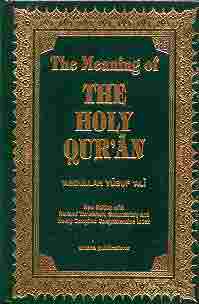
Abdullah Yusuf Ali, The Holy Qur'n, Amana Corporation, 1989.