A Ten-Part Journey through the Guru Granth Sahib
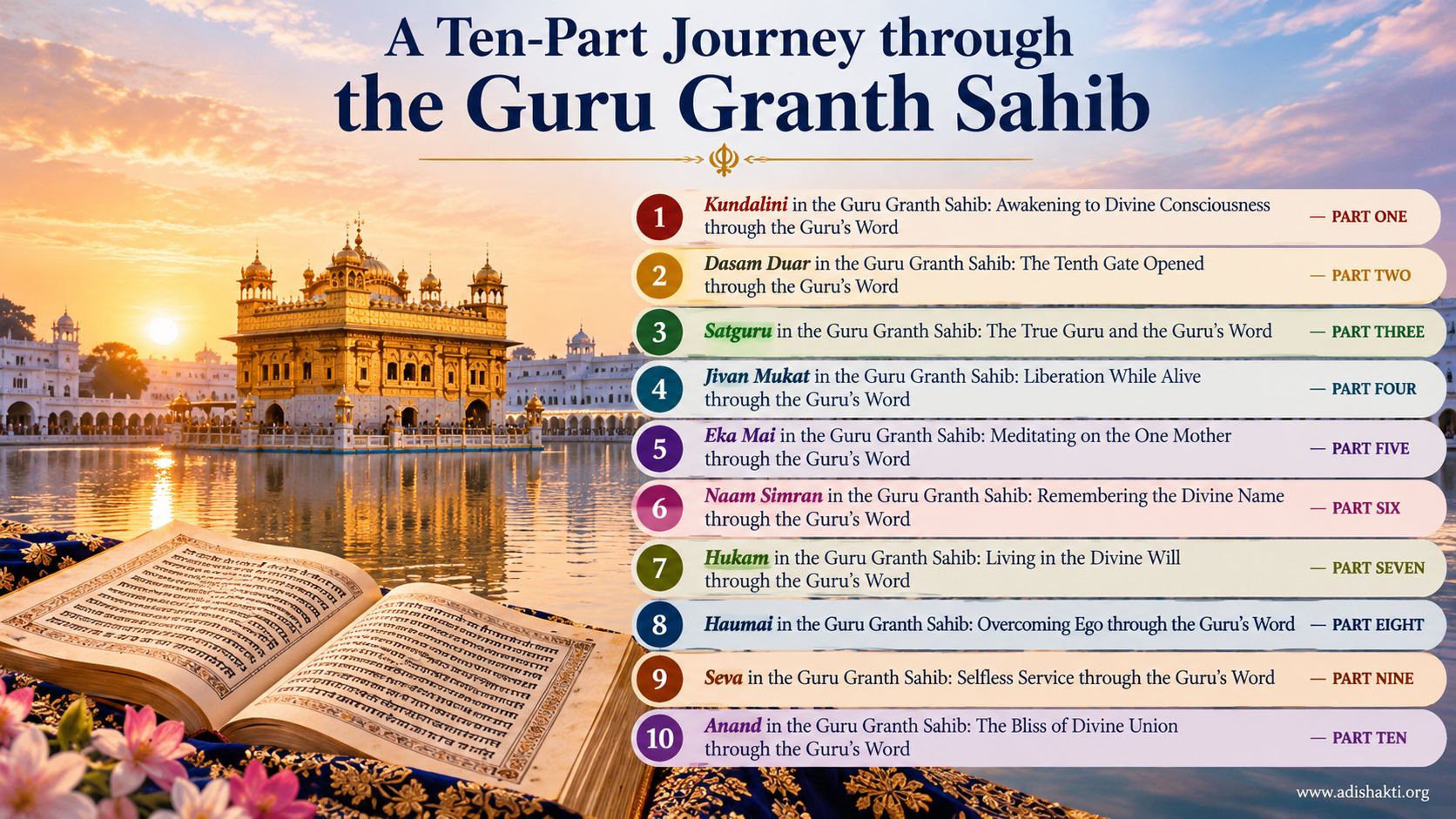
Summary
This ten-part series will be presented in full over the coming weeks, one topic at a time. Each paper will examine its subject in depth, explaining the relevant verses of the Guru Granth Sahib in context. Only one example verse appears for each topic here; fuller textual interpretation is reserved for the individual papers. The series is organized around Jivan Mukti—liberation while alive and release from the cycle of rebirth.
Artificial intelligence will be employed to systematically scan, search, compare, and analyze all 1,430 pages (Angs) of the Guru Granth Sahib. Rather than examining isolated quotations, this research will seek to identify related passages across the entire scripture, trace recurring spiritual concepts, compare their contexts, and investigate how the teachings illuminate one another.
The scale of this undertaking exceeds what any individual scholar could realistically accomplish through exhaustive manual comparison alone. Even the most accomplished Sikh gianis, professors, theologians, and researchers work within the natural limitations of human memory, time, and access to information. AI offers a fundamentally different research capability: it can rapidly search extensive textual collections, identify linguistic and conceptual relationships, compare scholarly interpretations, and organize findings that might otherwise require years of painstaking investigation.
AI does not replace the wisdom of the Gurus, the authority of Gurbani, or the discernment of knowledgeable Sikh scholars. Its value lies in extending the reach of research beyond the limitations of any single human reader. When supplied with reliable texts and scholarly resources, AI can assist in examining the Guru Granth Sahib with a breadth, speed, and systematic consistency that traditional manual research cannot easily reproduce.
This ten-part journey therefore aspires to be an unprecedented AI-assisted exploration of Sikh scripture and theology: an integrated examination of Kundalini, Dasam Duar, Satguru, Jivan Mukat, Eka Mai, Naam Simran, Hukam, Haumai, Seva, and Anand, grounded in the complete 1,430-Ang scripture rather than a narrow selection of familiar verses.
The purpose is not merely to accumulate information, but to illuminate the spiritual path toward Jivan Mukti. By bringing together passages scattered throughout this vast ocean of Gurbani, the series seeks to make profound connections accessible to ordinary Sikh readers, while offering scholars and gianis a substantial body of research for further examination, verification, and discussion.
1. Kundalini in the Guru Granth Sahib: Awakening to Divine Consciousness through the Guru’s Word — PART ONE
Example verse:
ਕੁੰਡਲਨੀ ਸੁਰਝੀ ਸਤਸੰਗਤਿ ਪਰਮਾਨੰਦ ਗੁਰੂ ਮੁਖਿ ਮਚਾ ॥
Kundalani surjhi sat sangat paramanand guru mukh macha.
“The Kundalini rises/is untangled in the Sat Sangat; through the Word of the Guru, they enjoy the Lord of Supreme Bliss.” — Guru Granth Sahib, Ang 1402.
Meaning: Kundalini here represents the awakening of consciousness from spiritual confusion. In Gurbani, this awakening occurs through the holy congregation and the Guru’s Word, not through technique alone.
2. Dasam Duar in the Guru Granth Sahib: The Tenth Gate Opened through the Guru’s Word — PART TWO
Example verse:
ਦਸਮ ਦੁਆਰੇ ਹਰਿ ਧੁਨਿ ਉਠੈ ਸਬਦੁ ਵਜਾਵੈ ॥
Dasam duare har dhun uthai sabad vajavai.
“From the Tenth Gate, the Lord’s melody rises, and the Shabad resounds.” — Guru Granth Sahib, Ang 974.
Meaning: The Tenth Gate is the inner spiritual opening through which the Divine is experienced. When it is opened through the Guru’s Word, the mind hears the inner melody of divine realization.
3. Satguru in the Guru Granth Sahib: The True Guru and the Guru’s Word — PART THREE
Example verse:
ਸਤਿਗੁਰੁ ਮੇਰਾ ਸਦਾ ਸਦਾ ਨਾ ਆਵੈ ਨਾ ਜਾਇ ॥
Satguru mera sada sada na aavai na jai.
“My Satguru is forever and ever; he neither comes nor goes.” — Guru Granth Sahib, Ang 758.
Meaning: The Satguru is the True Guru, ultimately the Eternal and Imperishable Divine Reality. The Guru is encountered through the human Guru, the Guru Granth Sahib, and the living Word.
4. Jivan Mukat in the Guru Granth Sahib: Liberation While Alive through the Guru’s Word — PART FOUR
Example verse:
ਜੀਵਨ ਮੁਕਤਿ ਗੁਰ ਸਬਦੁ ਕਮਾਏ ॥
Jivan mukat gur sabad kamae.
“One who lives the Word of the Guru’s Shabad becomes Jivan Mukta—liberated while yet alive.” — Guru Granth Sahib, Ang 1058.
Meaning: Liberation is not postponed until death. Through the Guru’s Shabad, a person can become free from ego, fear, and attachment while still living in the world.
5. Eka Mai in the Guru Granth Sahib: Meditating on the One Mother through the Guru’s Word — PART FIVE
Example verse:
ਏਕਾ ਮਾਈ ਜੁਗਤਿ ਵਿਆਈ ਤਿਨਿ ਚੇਲੇ ਪਰਵਾਣੁ ॥
Eka mai jugat viai tin chele parvan.
“The One Mother created the world in various ways, and her three sons were accepted.” — Guru Granth Sahib, Ang 1037.
Meaning: Eka Mai is the One Mother, the primal divine creative power from which all creation emerges. Meditation on Eka Mai awakens reverence for the Divine as the source and sustainer of all life.
6. Naam Simran in the Guru Granth Sahib: Remembering the Divine Name through the Guru’s Word — PART SIX
Example verse:
ਜਿਸੁ ਨਾਮੁ ਰਿਦੈ ਸੋ ਜੀਵਨ ਮੁਕਤਾ ॥
Jis naam ridai so jivan mukta.
“One who keeps the Naam in the heart is Jivan Mukta—liberated while still alive.” — Guru Granth Sahib, Ang 1156.
Meaning: Naam Simran is the remembrance and internalization of the Divine Name. It purifies the mind, stills restlessness, and turns consciousness toward God.
7. Hukam in the Guru Granth Sahib: Living in the Divine Will through the Guru’s Word — PART SEVEN
Example verse:
ਹੁਕਮੈ ਅੰਦਰਿ ਸਭੁ ਕੋ ਬਾਹਰਿ ਹੁਕਮ ਨ ਕੋਇ ॥
Hukamai andar sabh ko bahar hukam na koi.
“Everything is within the Hukam; nothing is outside the Hukam.” — Guru Granth Sahib, Ang 1.
Meaning: Hukam is the Divine Will and cosmic order. Liberation begins when a person accepts, understands, and lives in harmony with that Will rather than resisting it through ego.
8. Haumai in the Guru Granth Sahib: Overcoming Ego through the Guru’s Word — PART EIGHT
Example verse:
ਹਉਮੈ ਵਿਚਿ ਜਗਤੁ ਮੁਹਾਇਆ ॥
Haumai vich jagat muhaia.
“In egotism, the world is deluded.” — Guru Granth Sahib, Ang 466.
Meaning: Haumai is ego or self-centeredness—the false “I” that separates the individual from God. Its dissolution through the Guru’s Word is essential for spiritual freedom.
9. Seva in the Guru Granth Sahib: Selfless Service through the Guru’s Word — PART NINE
Example verse:
ਸੇਵਾ ਕਰਤ ਹੋਇ ਨਿਹਕਰਮਾ ॥
Seva karat hoe nihkarma.
“One who performs selfless service becomes desireless.” — Guru Granth Sahib, Ang 286.
Meaning: Seva is selfless service performed without desire for reward. It transforms devotion into action, dissolves pride, and expresses love of God through service to others.
10. Anand in the Guru Granth Sahib: The Bliss of Divine Union through the Guru’s Word — PART TEN
Example verse:
ਆਨੰਦੁ ਭਇਆ ਹਰਿ ਮਿਲਿਆ ਸੁਖੁ ਪਾਇਆ ॥
Anand bhaia har milia sukh paia.
“Bliss has come, for I have met the Lord and found peace.” — Guru Granth Sahib, Ang 443.
Meaning: Anand is divine bliss—the deep, lasting joy that arises when the soul is united with God. It is not ordinary pleasure dependent on circumstances, but the inner happiness of spiritual realization.
The Goal of the Series
Together, these ten themes form a complete spiritual path: the seeker experiences inner awakening through Kundalini and the Dasam Duar, meets the Satguru, attains Jivan Mukat, contemplates the divine creative power of Eka Mai, remembers Naam, accepts Hukam, overcomes Haumai, lives through Seva, and enjoys Anand.
The final destination is Jivan Mukti—freedom from the endless cycle of rebirth—and eternal life in union with the Divine in the world to come.
Conclusion
These ten introductory verses offer a first glimpse of a connected journey through the Guru Granth Sahib. The forthcoming papers will examine each subject with fuller scriptural context and a careful distinction between the wording of Gurbani, translation, and spiritual interpretation.
References
[1] Sri Guru Granth Sahib — Ang 1; further example passages cited above at Angs 1402, 974, 758, 1058, 1037, 1156, 466, 286, and 443.
[2] The English renderings and interpretations in this introductory prospectus follow the supplied series outline; each forthcoming paper will examine the relevant passages and translation choices in context.