
The Baptism of Allah: An Esoteric Interpretation of Surah 2:138 and the Inner Resurrection
— The Universal Mechanism of Spiritual Awakening and the Missed Qiyamah
Summary
The Qur'an, in Surah Al-Baqarah 2:138, makes a profound declaration regarding Ṣibghat Allāh, commonly translated as "The Baptism of Allah" or "The Dye of Allah." While traditional exegesis often interprets this metaphorically as adopting the religion of Islam, a deeper, esoteric reading—supported by classical linguistics, prophetic Hadith, Sufi mysticism, and cross-traditional parallels—reveals a literal, experiential phenomenon. This paper argues that the Baptism of Allah is not a ritualistic washing performed by intermediaries, but a direct, inner spiritual resurrection (Qiyamah). It is the awakening of a divine potential located at the base of the spine (the 'ajb al-dhanab or coccyx), an event that many have overlooked in their expectation of a purely external apocalypse. Furthermore, we clarify the crucial distinction between the accountable soul (Nafs) and the divine spirit (Rūḥ), demonstrating that true spiritual rebirth is the awakening of the Rūḥ within.
Table of Contents
- Introduction: The Qur'anic Declaration of a Divine Baptism
- The Linguistic and Theological Significance of Ṣibghat Allāh
- Baptism: The Intermediary vs. Direct Divine Action
- Understanding the Self: The Distinction Between Nafs and Rūḥ
- The Prophetic Tradition of the Coccyx ('ajb al-dhanab)
- Sufi Interpretations: Fana, Baqa, and Inner Resurrection
- Cross-Traditional Parallels: Kundalini and the Holy Spirit
- Conclusion: The Baptism of Allah as the Missed Qiyamah
1. Introduction: The Qur'anic Declaration of a Divine Baptism
In Surah Al-Baqarah, within a passage establishing the continuity of the religion of Abraham (Millat Ibrahim), the Qur'an issues a striking challenge to ritualistic traditions: [1]
This verse, centered on the term Ṣibghat Allāh, has been the subject of extensive theological discussion. While mainstream interpretations often view it metaphorically as the "color" or "religion" of God, a deeper, esoteric reading points to a more direct, experiential, and transformative event: a spiritual resurrection that occurs within the living individual. This is not a symbolic adoption of faith, but a literal, inner Qiyamah—an awakening of a divine potential that many have overlooked while waiting for an external, eschatological apocalypse.
2. The Linguistic and Theological Significance of Ṣibghat Allāh
The term ṣibghah (صِبْغَة) literally means "dye," "color," or "tincture." However, classical Arabic lexicographers, such as Ibn Fāris and al-Rāghib al-Iṣfahānī, note that the root ṣ-b-gh implies a transformative immersion that alters the very essence of the object being dyed. [2] It is not a superficial coating but a deep, permeating change.
In his classical Tafsir, Al-Jalalayn explains that sibghata'Llāhi denotes God's religion, towards which He made human beings naturally inclined, noting that "it leaves its mark on a person in the same way that a dye leaves its mark on a garment." [3] However, Sufi exegetes take this further. In Kashf al-Asrar, the commentator describes this "coloring" as a profound alchemical transformation: "When someone reaches God's color and falls back on Him, He colors him in His own color. In the same way, the elixir makes copper and iron the same color as itself and they become precious." [4]
Thus, Ṣibghat Allāh is not merely the outward profession of Islam but an inward transformation of the human being, a spiritual "dyeing" in the attributes of the Divine. The context of the verse contrasts Allah's baptism with the ritualistic baptisms of other traditions, suggesting a superior, direct, and unmediated divine action.
3. Baptism: The Intermediary vs. Direct Divine Action
A crucial distinction between Islamic theology and traditional Christian doctrine centers on the mechanism of spiritual purification. In mainstream Christianity, baptism is a sacrament of initiation, often requiring a priest or minister as an intermediary to wash away original sin using water as an objective channel of grace. [5]
Islam, conversely, rejects the concept of original sin and the necessity of an intermediary. While Muslims practice ritual purification with water (ghusl upon conversion, and wudu for daily prayers), the Qur'an explicitly states that Allah performs the ultimate baptism. As noted by modern commentators, asserting that a priest or religious figure is required to perform the spiritual washing borders on shirk (associating partners with God). [6]
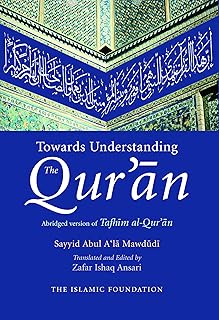
Sayyid Abul Ala Maududi, in his Tafhim al-Qur'an, explains that before Christianity, Jews bathed converts to wash away sins and give them a "new colour of life," a practice Christians adopted as Baptism. The Qur'an, however, states that "there is nothing substantial in this ceremonial 'colouring,' since it is not necessary for salvation. For this purpose one should take colour from Allah by adopting His Way." [7] True spiritual baptism is direct: "Muslims believe that Allah does it directly and no intermediary needed." [6]
4. Understanding the Self: The Distinction Between Nafs and Rūḥ
To understand what is being "baptized" or transformed, one must understand the Qur'anic anatomy of the human being, specifically the profound difference between the Nafs (Soul) and the Rūḥ (Spirit).
| Attribute | Nafs (نَفْس) - The Soul | Rūḥ (رُوح) - The Spirit |
|---|---|---|
| Nature | The individual self, the conscious ego. | A divine gift, the breath of God. |
| Function | The "driver" that makes moral choices; accountable for actions. | The "engine" providing knowledge, guidance, and spiritual life. |
| Mortality | Tastes death and is judged (Qur'an 3:185). Taken during sleep (39:42). | Eternal, descends by God's command (Qur'an 17:85). |
| Universality | Shared with animals (as life-force). | Unique to humanity; what elevates man above animals. |
The Nafs is the slate that is burdened or lightened by your actions; it is what will be judged on the Day of Resurrection. The Rūḥ, however, is God's direct gift: "Once I perfect him (the human), and blow into him from My 'Rouh', you shall fall prostrate before him." (Qur'an 15:29) [8]
The "Baptism of Allah" is the activation of this Rūḥ. As beautifully summarized by contemporary seekers: "The best Islam is within you - the spirit of GOD (Rouh'u Allah) is within you. There is no such thing that truth lies outside of you. The ultimate truth lies within you. Please, take advantage of that blessing." [6]
5. The Prophetic Tradition of the Coccyx ('ajb al-dhanab)
If the Rūḥ is the engine of spiritual awakening, where does this awakening begin? Authentic hadith from both Sahih al-Bukhari and Sahih Muslim provide a crucial anatomical key to understanding this inner resurrection. The Prophet Muhammad (ﷺ) is reported to have said:
This is a remarkable statement, identifying a specific, indestructible part of the human anatomy at the base of the spine as the locus of resurrection. This concept finds exact parallels in the Jewish tradition of the Luz bone, an indestructible bone at the base of the spine from which the body will be resurrected, and over which the soul hovers after death. [10] This is not merely an eschatological allegory but a precise spiritual and biological statement about the seed from which creation is renewed—both at the end of time and during the inner awakening.
6. Sufi Interpretations: Fana, Baqa, and Inner Resurrection
The esoteric tradition of Islam, particularly Sufism, has long emphasized that the Resurrection (Qiyamah) is not solely a future, external event, but an inner transformation to be experienced in this life. This is the distinction between Qiyamah al-Kubra (the Great Resurrection at the end of time) and Qiyamah al-Sughra (the lesser, personal resurrection).
The famous dictum attributed to the Prophet, "Die before you die," is central to Sufi thought. It refers to fanā' (the annihilation of the ego/Nafs) and baqā' (subsistence in God). [11] Mystics like Rumi, Al-Ghazali, and Ibn 'Arabi all spoke of this inner transformation. Ibn 'Arabi referred directly to a personal resurrection (qiyāmah shakhsiyyah), a spiritual death and rebirth where the individual is "dyed" in the attributes of the Divine—the very essence of Ṣibghat Allāh. [12]
The Qur'an itself confirms this life-before-death awakening: "Is one who was dead and We gave him life and made for him a light by which he walks among people like one who is in darkness from which he cannot exit?" (Qur'an 6:122). [13]
7. Cross-Traditional Parallels: Kundalini and the Holy Spirit
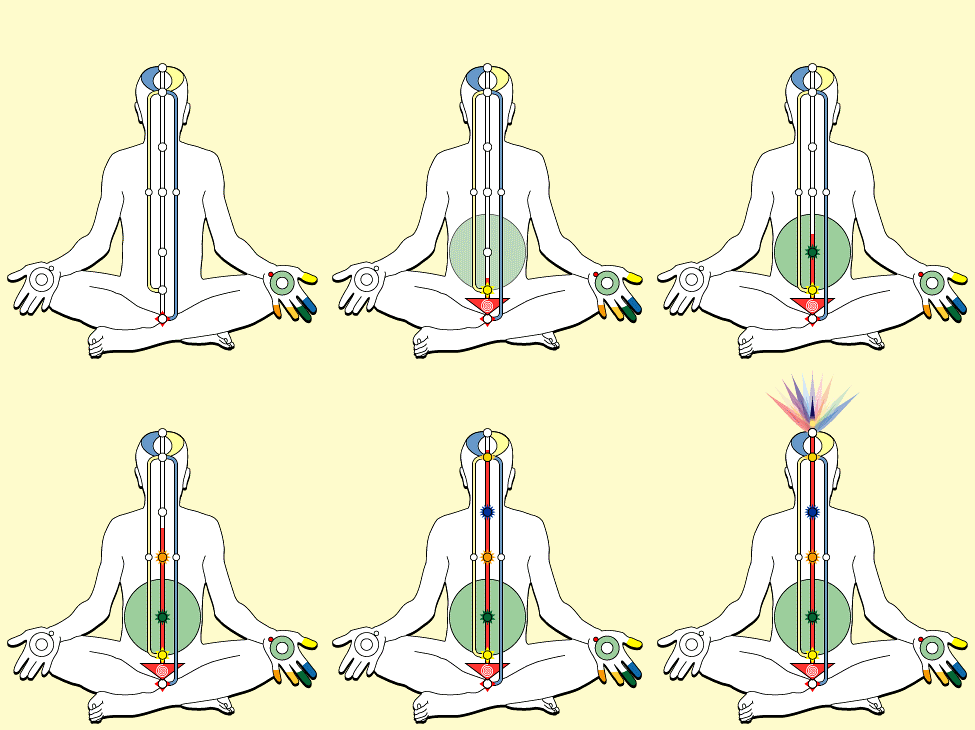
The mechanism of a spiritual energy residing at the base of the spine (the coccyx/'ajb al-dhanab) that awakens to grant self-realization is a universal truth recognized across traditions.
- Hinduism: Speaks of the Kundalini, a dormant, coiled spiritual energy at the base of the spine (Muladhara chakra). When awakened, it rises through the subtle energy centers to the crown of the head, resulting in enlightenment and union with the Divine. [14]
- Christianity: Speaks of being "born again" of water and the Holy Spirit (John 3:5), a spiritual rebirth that is an inner transformation rather than just a physical baptism. [15]
- Judaism: Reveres the Luz bone at the base of the spine as the indestructible seed of resurrection. [10]
These are all different cultural and linguistic expressions of the exact same universal mechanism of spiritual awakening—the very mechanism activated by the Baptism of Allah.
8. Conclusion: The Baptism of Allah as the Missed Qiyamah
Surah 78, Al-Naba' (The Great News), begins by asking: "Concerning what are they disputing? Concerning the Great News, about which they are in disagreement." [16] Classical commentators note that the "Great News" is the Resurrection. The fact that people dispute it suggests that the true nature of Resurrection is profoundly misunderstood.
Many believers, in their focus on an external, apocalyptic Qiyamah, have missed the signs and the reality of the inner, spiritual Qiyamah inaugurated by the divine mother, Shri Mataji's awakening of the Kundalini. Those who missed it are invited back: the gate of awakening remains open; sincere seeking, repentance, and surrender remain the means by which God's true baptism is received.
References
- Qur'an 2:138, Translation of the Meanings.
- Al-Rāghib al-Iṣfahānī, Al-Mufradāt fī Gharīb al-Qur'ān (Damascus: Dar al-Qalam, 1992), entry on ṣ-b-gh.
- Jalal al-Din al-Suyuti and Jalal al-Din al-Mahalli, Tafsir al-Jalalayn, Commentary on 2:138.
- Rashid al-Din Maybudi, Kashf al-Asrar wa 'Uddat al-Abrar, Esoteric Commentary on 2:138.
- Catholic Church, Catechism of the Catholic Church (Vatican City: Libreria Editrice Vaticana, 1992), Article 1: The Sacrament of Baptism.
- Free-Minds.org, Supplementary notes on the Ruh and Islamic Purification.
- Sayyid Abul Ala Maududi, Tafhim al-Qur'an, Commentary on Surah Al-Baqarah 2:138.
- Qur'an 15:29, Translation of the Meanings.
- Sahih Muslim, Book 41, Hadith 7054 (Kitab Al-Fitan wa Ashrat As-Sa'ah).
- Reichman, E., "The Bone Called Luz," Journal of Halacha and Contemporary Society (1996).
- Schimmel, Annemarie, Mystical Dimensions of Islam (Chapel Hill: University of North Carolina Press, 1975).
- Ibn 'Arabi, Al-Futuhat al-Makkiyya (The Meccan Revelations).
- Qur'an 6:122, Translation of the Meanings.
- Sivananda, Swami, Kundalini Yoga (Himalayas: Divine Life Society, 1971).
- The Gospel of John 3:3-5, New King James Version.
- Qur'an 78:1-3, Translation of the Meanings.
On the Day of Judgment, the Resurrection will be from the Coccyx
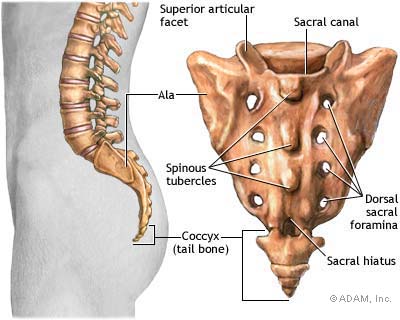
The Coccyx is the last bone in the vertebral column
Introduction: The Universal Declaration of Resurrection

The profound declaration by Dr. Othman Aljilani, "On the Day of Judgment, the Resurrection will be from the coccyx," encapsulates one of the most remarkable convergences in religious and spiritual literature. This statement, rooted in authentic Islamic Hadiths, finds extraordinary parallels in Jewish Talmudic traditions, Christian mystical understanding, and the revolutionary teachings of Shri Mataji Nirmala Devi, the Paraclete who brought the knowledge of Kundalini awakening to humanity. This paper demonstrates that the resurrection from the coccyx is not merely a future eschatological event, but a present spiritual reality accessible through the awakening of Kundalini—the same phenomenon Jesus described as being "born again" and Guru Nanak revealed as the opening of the "Dasam Dwar" (Tenth Door).
The coccyx, known as Luz in Hebrew tradition and 'ajbu adh-dhanab in Arabic, represents far more than an anatomical structure. It is the sacred seat of the Fountain of Immortality, the indestructible seed from which spiritual resurrection occurs. When the dormant Kundalini energy awakens from this sacred bone and rises through the subtle system, it manifests as the Cool Breeze of the Holy Spirit, granting the seeker their second birth into divine consciousness.
The Scriptural Foundation: Resurrection from the Coccyx
Islamic Testimony: The Authentic Hadiths
The Islamic tradition provides the most explicit scriptural evidence for resurrection from the coccyx. The authentic Hadiths, recorded in Sahih al-Bukhari, contain the direct words of Prophet Muhammad (peace be upon him) regarding this sacred bone:
Sahih al-Bukhari 4935: Narrated Abu Huraira: "Between the two soundings of the trumpet, there will be 'forty.' Then (after this period) Allah will send water from the sky, and then the dead bodies will grow like vegetation grows. There is nothing of the human body that does not decay except one bone: that is the little bone at the end of the coccyx—of which the human body will be re-created on the Day of Resurrection."[2]
Sahih al-Bukhari 4814: Narrated Abu Huraira: "Everything of the human body will decay except the little bone at the end of the coccyx, and from that bone Allah will reconstruct the whole body."[3]
These Hadiths establish three fundamental truths: (1) The coccyx is indestructible, (2) It serves as the seed of resurrection, and (3) The entire body will be reconstructed from this single bone. Dr. Othman Aljilani's synthesis of these teachings into the declaration "On the Day of Judgment, the Resurrection will be from the coccyx" represents the essence of Islamic eschatological understanding.
Jewish Wisdom: The Indestructible Luz Bone
The Jewish tradition parallels the Islamic understanding through the concept of the Luz bone. The Talmud and Midrash contain remarkable accounts of this bone's supernatural properties. The most famous narrative involves the Roman Emperor Hadrian and Rabbi Joshua ben Hananiah:
When Emperor Hadrian questioned how humanity would be resurrected, Rabbi Joshua proclaimed that it would be from the Luz bone. To demonstrate its indestructibility, the bone was subjected to water, fire, and crushing—yet remained intact. When struck with a hammer on an anvil, both the hammer and anvil shattered, while the Luz bone remained undamaged.[4]
The Jewish Encyclopedia defines the Luz as "the 'nut' of the spinal column. The belief was that, being indestructible, it will form the nucleus for the resurrection of the body."[5] This ancient wisdom recognizes the coccyx as the eternal, incorruptible foundation of human existence.
The Universal Recognition of Sacred Anatomy
The convergence of Islamic and Jewish traditions regarding the coccyx reveals a universal understanding of human spiritual anatomy. Both traditions recognize this small bone as the eternal, incorruptible foundation of human existence—the point from which divine resurrection occurs. This is not coincidence but divine revelation preserved across cultures and centuries.
The Present Reality: Signs of the Ongoing Al-Qiyamah
The Fulfillment of Qur'anic Prophecy
The contemporary manifestation of Al-Qiyamah fulfills the Qur'anic prophecy with remarkable precision. As foretold, the vast majority of Muslims remain unaware that the Resurrection is occurring, despite clear signs and divine guidance. The Qur'an's emphasis on this unawareness was not a warning of failure but a description of divine timing—the truth would be concealed until the appointed moment of revelation.
Qur'an 30:55-56: "On the Day that the Hour (of Reckoning) will be established, the transgressors will swear that they tarried not but an hour: thus were they used to being deluded! But those endued with knowledge and faith will say: 'Indeed ye did tarry, within Allah's Decree, to the Day of Resurrection, and this is the Day of Resurrection: but ye — ye were not aware!'"[6]
The Divine Awakening of Souls
The present Al-Qiyamah manifests as the divine awakening of souls through the activation of the spiritual energy residing at the coccyx. This is the resurrection from the indestructible bone—not a future physical event but a present spiritual reality. Those who experience this awakening receive their true resurrection, moving from spiritual death to spiritual life, from ignorance to divine knowledge.
As Fazlur Rahman explains in his interpretation of Qur'anic eschatology: "Judgment Day is the 'Hour when every human will be shaken into a unique and unprecedented self-awareness of his deeds; he will squarely and starkly face his own doings, not-doings, and mis-doings and accept the judgment upon them.'"[7] This self-awareness comes through the spiritual awakening that originates from the coccyx.
Conclusion: The Present Resurrection from the Sacred Bone
The declaration "On the Day of Judgment, the Resurrection will be from the coccyx" represents not a future promise but a present reality. The convergence of Islamic Hadiths and Jewish Talmudic traditions establishes the coccyx as the indestructible foundation of human spiritual existence—the sacred bone from which divine resurrection occurs.
The Qur'anic prophecy of mass unawareness during Al-Qiyamah has been fulfilled with remarkable precision. For 1,400 years, the true meaning of resurrection has been concealed, distorted by scholars who transformed spiritual awakening into physical catastrophe. Yet the divine plan unfolds perfectly: Al-Qiyamah is happening now, manifesting as the awakening of souls through the activation of the spiritual energy that resides at the coccyx.
Those who recognize this truth experience their resurrection in the present moment—not as a future hope but as a living reality. The indestructible bone at the base of the spine serves as the eternal seed from which the entire spiritual being is regenerated, granting the awakened soul direct experience of divine consciousness. This is the true meaning of resurrection: the awakening from spiritual death to spiritual life, from ignorance to enlightenment, from separation to union with the Divine.
The Day of Judgment is not coming—it is here. The Resurrection is not future—it is present. And it rises, as the authentic sources declare, from the sacred, indestructible foundation of the coccyx bone.
References
[1] Aljilani, Othman. "The Coccyx." Quran and Science, www.quranandscience.com. Accessed 30 Sept. 2025.[2] "The True Tale of the Tailbone: How the Resurrection of our Bodies will Take Place." Al Jumuah Magazine, aljumuah.com/the-true-tale-of-the-tailbone-how-the-resurrection-of-our-bodies-will-take-place/. Accessed 30 Sept. 2025.
[3] Ibid.
[4] "Luz (bone)." Wikipedia, Wikimedia Foundation, en.wikipedia.org/wiki/Luz_(bone). Accessed 30 Sept. 2025.
[5] "Luz." Jewish Encyclopedia, www.jewishencyclopedia.com. Accessed 30 Sept. 2025.
[6] The Holy Qur'an. Surah Ar-Rum 30:55-56. Translation from adishakti.org.
[7] Rahman, Fazlur. Quoted in "Al-Qiyamah — The Resurrection Foretold in the Qur'an." adishakti.org, adishakti.org/al-qiyamah.htm. Accessed 30 Sept. 2025.
The Baptism of Allah by His Ruh for Believers to commence Al-Qiyamahi. Sit comfortably on the ground.
ii. Take off your shoes so as to have a better contact with the earth.
iii. Please familiarize with instructions 1-9 where the hand is placed on different parts of the body. The intensity of experience depends on your sincerity and pure desire. The procedure can also be familiarized in Arabic.

1. Put your right hand on your heart and silently in your heart ask the following question 3 times (you may also use Ma Adi (Primordial Mother):
Ruh of Allah (Ma Adi, Mother), am I the spirit?


2. Putting your right hand on the upper part of your abdomen on the left-hand side of your body, silently ask the following question 3 times:
Ruh of Allah (Ma Adi, Mother), am I my own master?


00000000000
3. Put your right hand on the lower part of your abdomen, on the left-hand side of your body, and ask the following question 6 times:
Ruh of Allah (Ma Adi, Mother), please give me pure Divine Knowledge.


4. Put your right hand again on the upper part of your abdomen on the left-hand side of your body, and silently affirm the following phrase 10 times:
Ruh of Allah (Ma Adi, Mother), I am my own master!
00000000000
5. Putting your right hand again on your heart on the left-hand side of your body, silently affirm the following phrase 12 times with confidence:
Ruh of Allah (Ma Adi, Mother), I am the pure spirit!

000000000000000000000000000000
6. Now place your right hand on the left-hand side of your neck, where it joins the shoulder, and turn to your right. In order to free this centre, it is necessary to get rid of all feelings of guilt. Repeat the following phrase 16 times with conviction:
Ruh of Allah (Ma Adi, Mother), I am not guilty!


00000
7. Put your right hand on your forehead and lightly press the temples. Here it is necessary to forgive. Silently, and with sincerity, say the following phrase several times:
Ruh of Allah (Ma Adi, Mother), I forgive everyone in general!


0000000
8. Put your right hand on the back of your head and this time ask for forgiveness for all the mistakes that you have ever committed, but without feeling guilty. Repeat the following phrase several times:
O Divine Power, if I have done anything wrong knowingly or unknowingly, please forgive me!


000000000000000000
9. Now put your right palm on top of your head, spread out your fingers and press hard with the palm of the hand. Gently massage the scalp in a clockwise movement and, with humility, ask 7 times:
Ruh of Allah (Ma Adi, Mother), please give me the Baptism of Allah (Self-Realization).


0000000
Put your hand down and with eyes still closed remain in silence for a few minutes, with your attention still on His Ruh.
Establishing a Daily Meditation Practice
Regular meditation should be performed twice daily—once in the morning and once in the evening—with each session lasting between 15 to 30 minutes. Simply close your eyes, gently place your attention on His Ruh (the self-reproaching Spirit) within you, and rest in a thoughtless state. To take part in the Resurrection, all that is required is to meditate on His Ruh in any posture or position that feels natural to you. It is only in meditation that you will begin to feel the Winds of Qiyamah.
Over time, you will be able to meditate anywhere by simply turning your attention to His Ruh in your heart and mind, without needing to follow steps 1 through 6. In that state, keep your palms open and facing upward to allow the Winds of Qiyamah to flow freely, and meditate. Shri Mataji serves only as the initial catalyst for your Baptism of Allah. After that, you continue on your own.
Within you dwells your self-reproaching Spirit—the Ruh of Allah—which begins to nourish and purify you in mind, body, and soul, refining the Believers during Al-Qiyamah. Only your own Spirit can confirm that you have truly received the Baptism of Allah, by releasing the Winds of Qiyamah (the Divine Cool Breeze), especially from your hands and head.
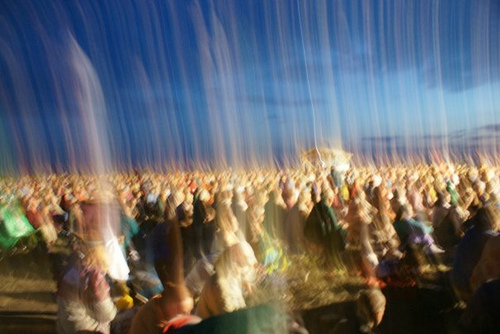
Divine Wind of Qiyamah flowing out of Believers who have surrendered to His Call to commence the Resurrection after receiving the Baptism of Allah. Important Reminder:
Daily meditation—the deepest intimacy with God Almighty (silence of the self)—along with experiencing the Winds of Qiyamah, is the key to participating in the Resurrection during Al Qadr (The Night of Power and Destiny). There is absolutely no need for any existing religious rituals or practices. Please do not corrupt the purity and sacredness of Allah’s Call to witness the Resurrection and His self-reproaching Spirit with any human innovation. Allah’s Ruh within will perfect you for eternal Paradise. You will bear witness to your own resurrection and your own self-reproaching Spirit. His Night of Power and Destiny must never be contaminated by human novelties. All you need to do is keep your palms open and facing upward as they rest on your knees, allowing the Winds of Qiyamah to flow freely, and meditate in silence. Nothing else. Please help guard its utmost sanctity.
Other benefits of the Divine Wind of Qiyamah
As you advance, this Cool Breeze (the Winds of Qiyamah) can be used to heal minor ailments. Simply direct the Divine Wind toward the affected area for a few minutes each day. More serious diseases and mental conditions—such as high blood pressure, stress, anger, violence, insomnia, stuttering, nicotine addiction, alcoholism, and substance abuse (to name only a few)—may require months of meditation, but you will ultimately heal yourself.
Today, 99% of those meditating on His Ruh have become free from alcohol, drug, and cigarette addiction through sustained practice. But do not take our word for it: experience for yourself the Divine Power of your own Mother Kundalini (the Ruh) as it destroys all forms of self-abuse and anti-spirit traits, transforming base and ignorant humans into Believers who have surrendered to Allah’s Call to commence the Resurrection—whether they come from Muslim, Hindu, Jewish, Christian, Buddhist, Sikh, Jain, or other traditions. This is the Great Announcement to all who believe in God Almighty.
Compilation, Proclamation, and Exegesis of Surahs Upholding Allah’s (SWT) Command to His Ummah — to Witness and Participate in the Resurrection.
Al-Qiyamah: A Profound Declaration of Al-QiyamahAl-Qiyamah (75:1-2): Oaths of Resurrection
Al-Qiyamah (75:3-4): Reassembling Bones and Fingertips
Al-Qiyamah (75:5-6): Man's Denial of Resurrection
Al-Qiyamah (75:7–10): Sun and Moon 'Joined' At Solar Eclipse
Al-Qiyamah (75:7–10): Solar Eclipse Salat al-Kusuf
Al-Qiyamah (75:11–13): No Refuge, Only Reckoning
Al-Qiyamah (75:14–15): Man: His Own Witness and Judge
Al-Qiyamah (75:16–19): The Usurpation of Allah's Explanation
Al-Qiyamah (75:20–21): Love of The Fleeting World
Al-Qiyamah (75:22–25): Ruh’s Face Brings Either Glory Or Gloom
Al-Qiyamah (75:26–30): Death and Soul's Departure Home
Al-Qiyamah (75:31–35): The Rejection and Arrogance of the Kuffar
Al-Qiyamah (75:36–40): Is Resurrection Beyond Allah, Your Creator?
Al-Qiyamah (75:1-2 and 78:1–5): An Naba and Oaths of Resurrection
Al-Baqarah (2:138): Baptism of Allah You Were Unaware Of
Al-Baqarah (2:174): Allah Will Not Address Muslims
Al-A'raf (7:16) – Iblis: I Will Lie In Wait and Overpower Them
Al-A'raf (7:146): Allah: I Will Turn Them Away From My Signs
Al-A'raf (7:146): Allah: So Even Though They See All The Signs
Al-Hijr (15:39) – Iblis: I Will Wake (Evil) Fair and Mislead Them
An-Nahl (16:2) – Allah (SWT) Sent Down Angels With His Ruh
Al-Isra (17:85): Muslims Given Little of Allah's (SWT) Ruh
Al-Isra (17:104): Children of Israel Gathered Again (in 1948)
Maryam (19:34) – Warning of Jesus You Were Unaware Of
Al-Hajj (22:8) – Kitab Al-Munir You Were Unaware Of
Al-Rum (30:56) – The Day of Qiyamah You Were Unaware Of
Fatir (35:9) – Winds of Qiyamah You Were Unaware Of
Yassin (36:63-68) – This Is The Hell You Were Warned Of.
Sad (38:79) – Iblis Allowed to Mislead Muslims And He Did
Fussilat (41:20–21) – Your Hands Will Testify of Qiyamah
Fussilat (41:53) – We Will Show Our Signs Within Your Soul
Az-Zukhruf (43:61): Jesus, Sign of Hour You Were Unaware
Az-Zukhruf (43:62): Satan's Deception of the Muslim Ummah
Az-Jathiya (45:7-14) – Those Who Deny Allah's Revelations
Qaf (50:41) – Listen To The Caller Emerging From Within
Qaf (50:42) – Day They Will Hear of Mighty Blast Witnessed
Qaf (50:45) – By the Caller, My Warning Is Delivered
Al Dhariyat (51:20-22) – Our Signs on Earth and Within
Al-Hadid (57:25) – Allah's (SWT) Iron Has Been Delivered
Al-Mujadilah (58:21) – My Messengers Must Prevail
Al-Saff (61:8–9) – Revelation of Light You Were Unaware
Al-Muddaththir (74:1–2) – My Cloaked One: Deliver Warning
Al-Mursalat (77:1–10): Angels Sent You Were Unaware Of
An-Naba (78:1–5): Concerning What Are They Disputing?
Al-Infitar (82:17–18) – What Will Explain To You? What Will?
Al-Mutaffifin (83:1–6) – Dealers in Fraud You Were Unaware
Al-Tariq (86:1–3) – The Night Visitant You Were Unaware
Al-Qadr (97:1–5) – Blessed Night of Power and Fate Before:
Al-Qariah (101:1–11) – Terrifying Day of Noise and Clamour
Concerning what are they disputing?
Concerning the Great News. [5889]
About which they cannot agree.
Verily, they shall soon (come to) know!
Verily, verily they shall soon (come to) know!
surah 78:1-5 An-Naba (The Great News)
"5889. Great News: usually understood to mean the News or Message of the Resurrection.”
Abdullah Yusuf Ali, The Holy Qur'n, Amana Corporation, 1989.
Interactive Chat
Access an intelligent analysis environment where you can explore texts, ask questions, and discover connections between ideas.
Open chat