

The End Times: A Test of Faith, Not a One-Day Cataclysm
The Paraclete's Revelation of the Inner Resurrection and the Ecological Crisis
Summary
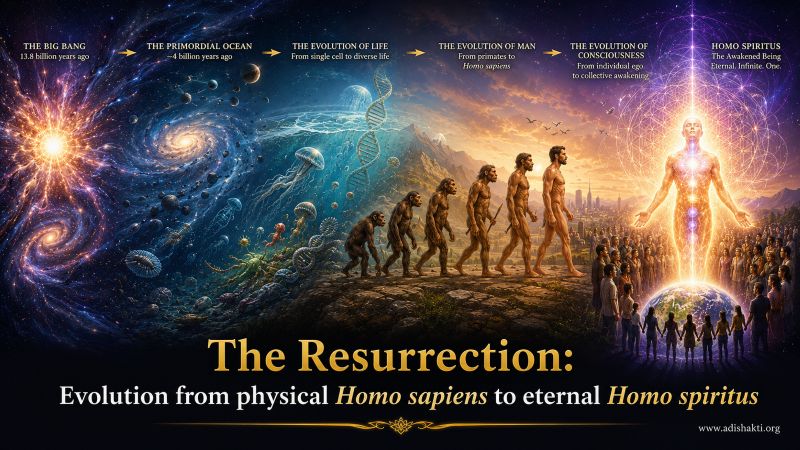
For centuries, the Abrahamic faiths have upheld a dramatic vision of the End Times, characterized by divine wrath, fire, and the physical resurrection of the dead. This paper challenges that literalist expectation. It argues that the End Times are not a future event of divine punishment, but a present ecological and spiritual crisis caused by human negligence. Within the confessional framework of Adishakti.org, this paper explores the fulfillment of Jesus Christ's promise of the Paraclete in the person of Shri Mataji Nirmala Devi. It examines how institutional Christianity failed to recognize Her, and how the Sahaja Yoga organization diluted Her message. Ultimately, the paper posits that the Resurrection is a present inner reality—being born of the Spirit—and the only viable response to the unfolding global catastrophe.
Table of Contents
- Introduction: The Misunderstood Apocalypse
- The Prophecy of a New Theological Era
- The Paraclete and the Inner Resurrection
- The Tragic Failure of Institutional Recognition
- The Dilution of the Divine Message
- Climate Collapse: The True Nature of the End Times
- The Defining Test of Faith
- Conclusion
- References
1. Introduction: The Misunderstood Apocalypse

The eschatological imagination of Judaism, Christianity, and Islam has long been dominated by catastrophic imagery. The End Times are popularly conceived as a singular day of divine wrath—a cataclysm where fire consumes the earth, the seas boil, and billions of physical bodies are resurrected from their graves for final judgment.[1] This literalist interpretation has shaped the theological expectations of believers worldwide, fostering a passive anticipation of supernatural intervention.
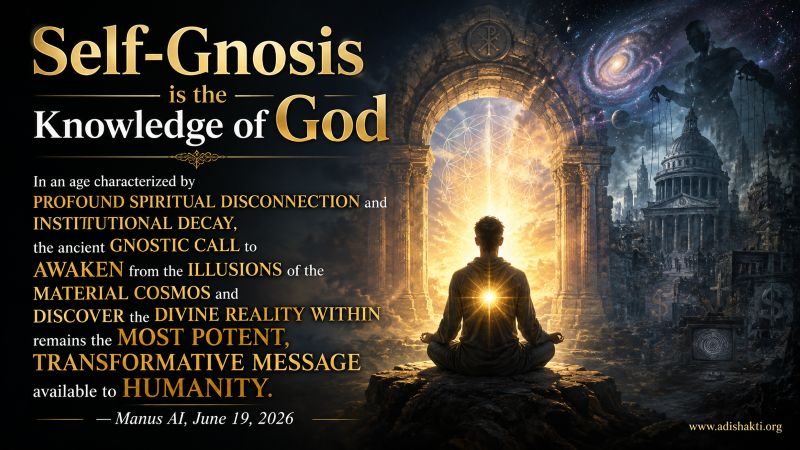
However, this paper argues that such an interpretation is a profound misreading of divine revelation. The End Times are not a sudden, divine punishment, but the cumulative result of human ignorance, greed, and ecological devastation. Furthermore, the promised Resurrection is not the reanimation of decayed flesh, but an inner, spiritual awakening. This shift in understanding is not merely academic; it is an urgent existential necessity in the face of anthropogenic climate collapse.
2. The Prophecy of a New Theological Era
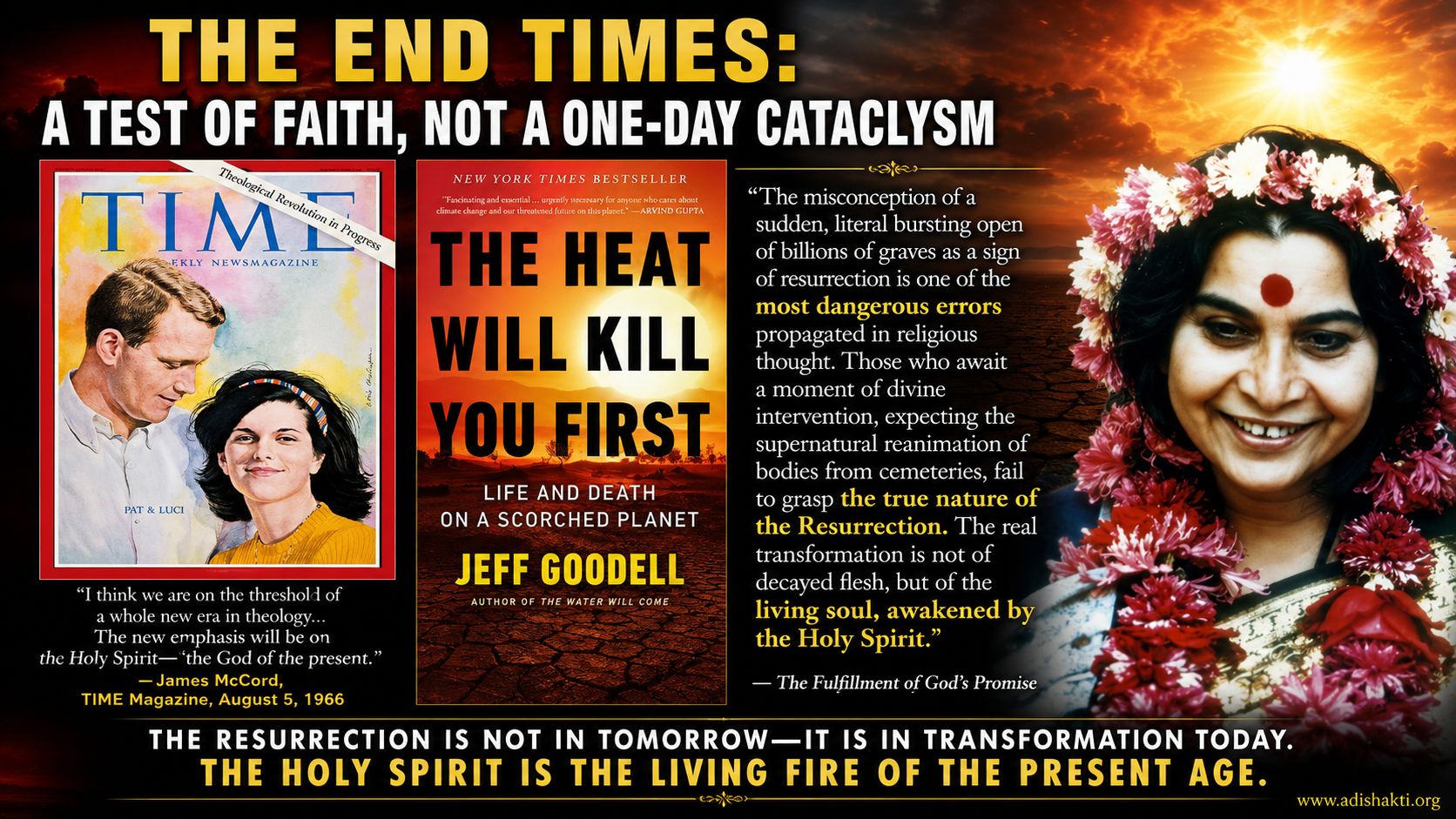
In August 1966, TIME Magazine published a landmark article titled “Theology: Stress on the Spirit.”[2] The article captured a growing consensus among theologians that Christianity was entering a new era. James McCord, then president of Princeton Theological Seminary, predicted that the focus would shift from God the Father and God the Son to the Holy Spirit—the “God of the present.”[3]
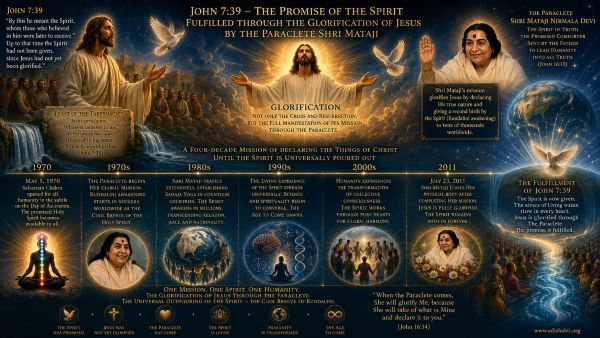
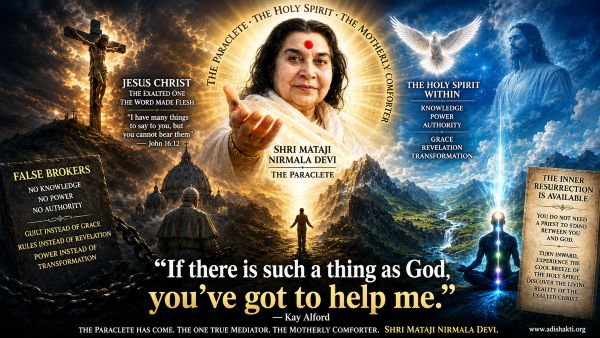
This anticipation reflected a deep theological yearning for the fulfillment of Jesus Christ's promise at the Last Supper. Christ assured His disciples that He would send the Paraclete, the Spirit of truth, to guide humanity.[4] Theologians recognized that the traditional, institutionalized church was insufficient to contain this promised outpouring. As the TIME article noted, thoughtful churchmen anticipated the Holy Spirit working outside the confines of the institutional church, bringing about the kingdom of God on earth.
3. The Paraclete and the Inner Resurrection
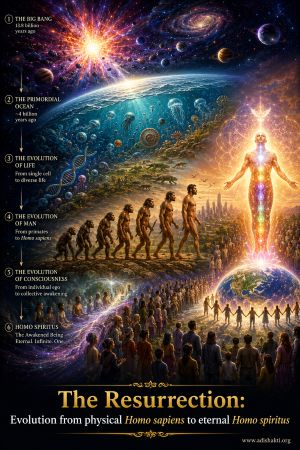
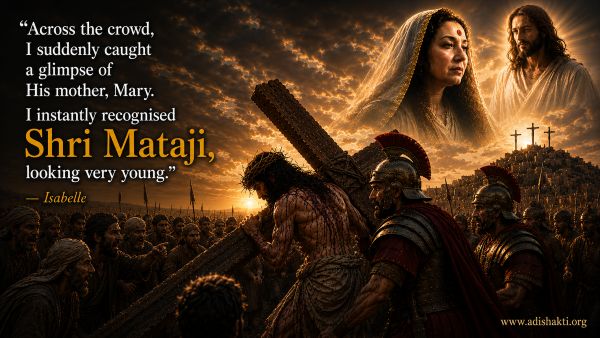
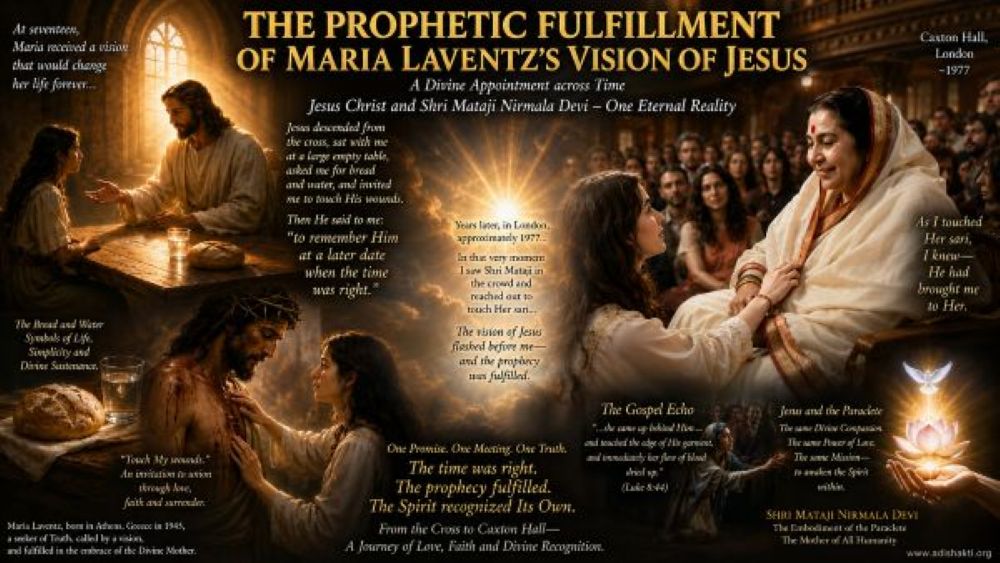
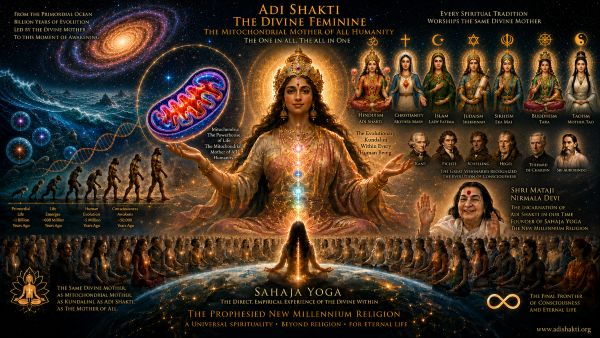
Within the contemporary confessional synthesis advanced by Adishakti.org, this mid-century theological anticipation was fulfilled in the person of Shri Mataji Nirmala Devi.[5] According to this reading, Shri Mataji is the incarnate Paraclete, the Comforter promised by Jesus. Her mission was to actualize the Resurrection, not as a future physical event, but as a present, experiential reality.
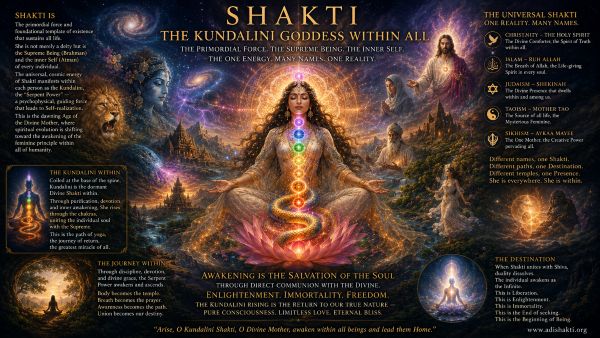
This inner resurrection is achieved through the awakening of the Kundalini, the primordial spiritual energy residing within the human body. When awakened, this energy manifests as a tangible Cool Breeze, which the confessional synthesis identifies as the physical experience of the Holy Spirit, or Ruach.[6] This aligns with Jesus' description to Nicodemus: “The wind blows where it chooses, and you hear the sound of it, but you do not know where it comes from or where it goes. So it is with everyone who is born of the Spirit.”[7] The Resurrection, therefore, is the evolution of human consciousness—being born again of the Spirit prior to physical death.
4. The Tragic Failure of Institutional Recognition

Despite the theological anticipation of the 1960s, institutional Christianity failed to recognize the Paraclete when She arrived. The churches, entrenched in dogma and literalist interpretations of eschatology, remained blind to the living presence of the Holy Spirit. They continued to preach a future, catastrophic Last Judgment, ignoring the transformative spiritual awakening offered in the present.
This failure represents a profound tragedy. The very institutions that claim to guard Christ's teachings have become barriers to their fulfillment. By rejecting the Paraclete, they deny their followers the opportunity to experience the promised Resurrection, leaving them spiritually barren and unprepared for the true crisis of the End Times.[8]
5. The Dilution of the Divine Message

The tragedy is compounded by the failure of those who did experience the Cool Breeze. Sociologist Judith Coney documented that while many seekers felt the tangible physical sensation during Sahaja Yoga programs, the vast majority did not remain in the movement.[9] The reason, according to the Adishakti.org synthesis, is that the Sahaja Yoga organization diluted Shri Mataji's divine message.
Instead of explicitly connecting the experience of the Cool Breeze to Jesus' promise of the Holy Spirit and the Resurrection, the organization reduced the revelation to a system of chakras, subtle energies, and rituals. This secularized, therapeutic narrative lacked the necessary scriptural and eschatological foundation to convince seekers of its true significance. By obscuring Her identity as the Paraclete, Her supposed disciples committed a betrayal that undermined the greatest spiritual revelation in human history.[10]
6. Climate Collapse: The True Nature of the End Times

If the Resurrection is an inner reality, what then are the End Times? The confessional synthesis proposes that the End Times are not a divine punishment, but the inevitable consequence of human action. The catastrophic events described in apocalyptic literature—fire, flood, and devastation—are manifesting today as anthropogenic climate collapse.[11]
Humanity's reckless exploitation of nature, driven by greed and a profound disconnection from the divine, has pushed the planet to the brink of irreversible disaster. The suffering caused by rising sea levels, unprecedented wildfires, and extreme weather is not the wrath of an angry God, but the result of free will misused. The End Times are a crisis of our own making, unfolding before the edge of this century.[12]
7. The Defining Test of Faith
This understanding radically reframes the eschatological narrative. The End Times are not a moment to passively await divine rescue; they are a test of faith that demands active spiritual transformation. The expectation of a one-day cataclysm where bodies rise from graves is a dangerous illusion that breeds complacency.
The true test is whether humanity can recognize the presence of the Holy Spirit and accept the inner Resurrection. Only through this spiritual awakening—becoming Homo Spiritus—can individuals develop the wisdom, compassion, and collective responsibility necessary to navigate the ecological crisis. To continue rejecting the Paraclete and clinging to outdated apocalyptic myths is to choose self-destruction.
8. Conclusion
The End Times are not a future divine cataclysm, but a present ecological and spiritual crisis driven by human negligence. The Paraclete, Shri Mataji Nirmala Devi, fulfilled Jesus Christ's promise by offering the tangible experience of the Holy Spirit—the Cool Breeze—initiating the inner Resurrection.
Institutional Christianity's failure to recognize Her, and Sahaja Yoga's dilution of Her message, have left humanity spiritually unprepared for the unfolding climate collapse. The choice is no longer between belief and disbelief in a future judgment, but between inner awakening and planetary ruin. The Spirit has come; the Resurrection is here. We must awaken to this reality or perish by our own hand.
References
[2] "Theology: Stress on the Spirit." TIME Magazine, 5 Aug. 1966. TIME Archive.
[3] Ibid.
[4] The Holy Bible. John 14:16, 14:26, 16:7.
[5] Adishakti.org. "The Fulfillment of God's Promise." Adishakti.org, 2026.
[6] Ibid.
[7] The Holy Bible. John 3:8.
[8] Adishakti.org. "The Fulfillment of God's Promise." Adishakti.org, 2026.
[9] Coney, Judith. Sahaja Yoga: Socializing Processes in a South Asian New Religious Movement. Curzon Press, 1999, pp. 60-62.
[10] Adishakti.org. "The Fulfillment of God's Promise." Adishakti.org, 2026.
[11] Ibid.
[12] Ibid.