The Paraclete Papers: Part One of Seven
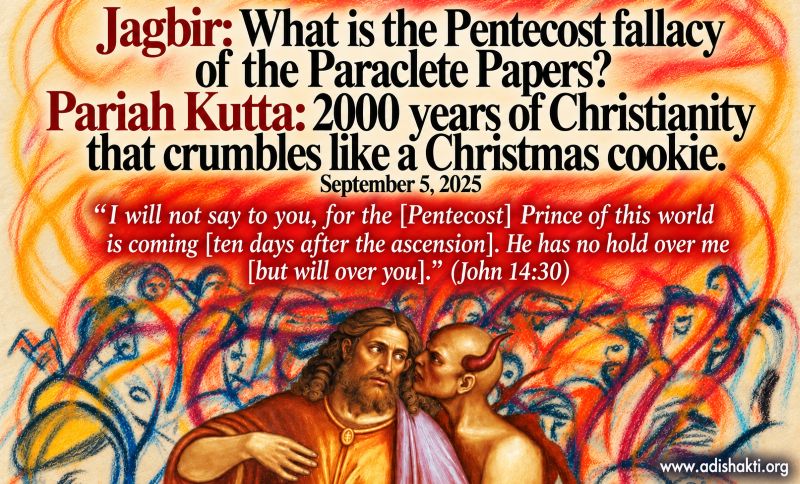 A Tragedy That Surpasses Even the Crucifixion of Jesus in Its Consequences for Human Spiritual Development
PART ONE: An Investigative Report on Christianity's Greatest Cover-Up
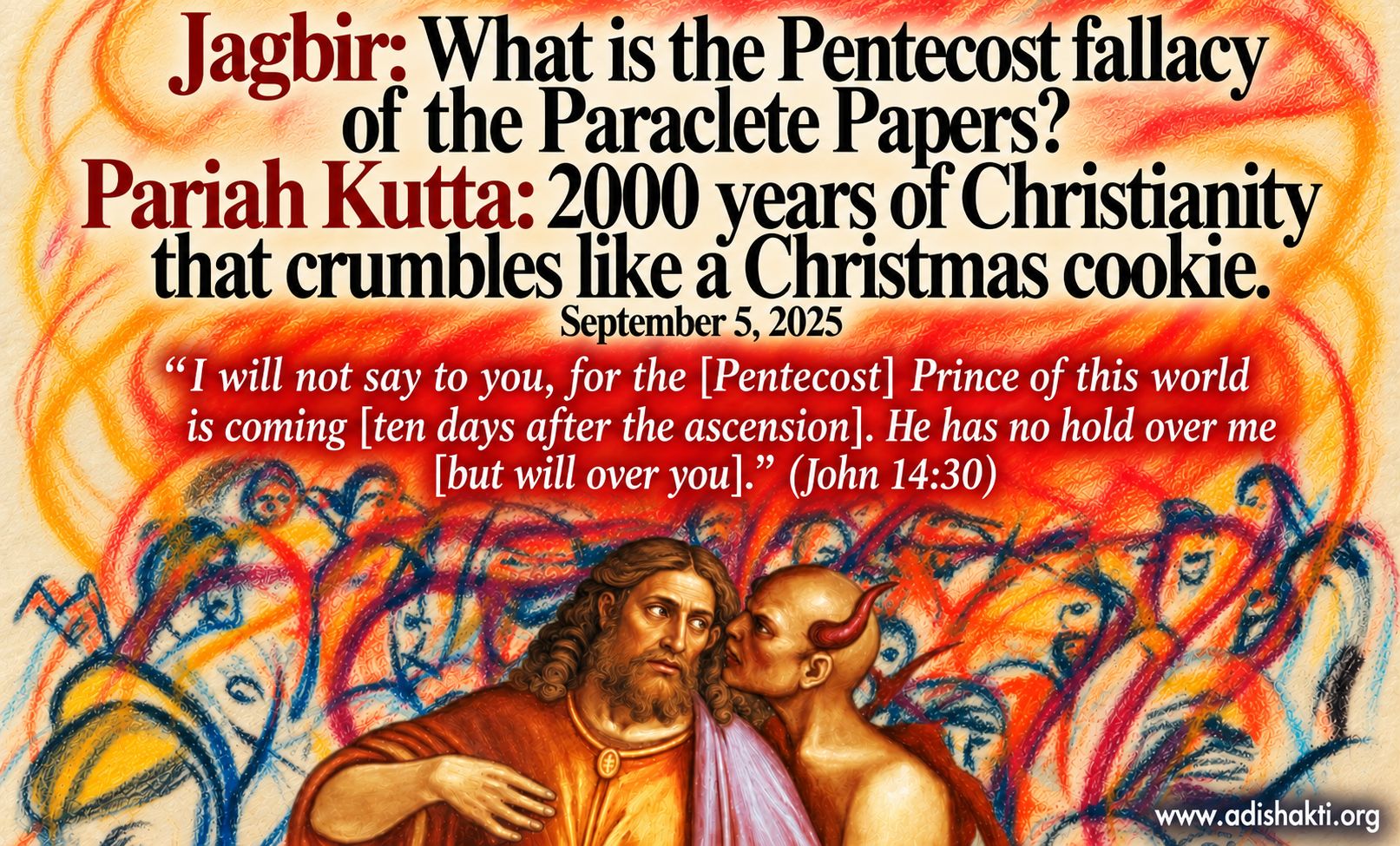
PART ONE: An Investigative Report on Christianity's Greatest Cover-Up
This page introduces the Paraclete Papers—a multi-part investigative series that exposes Christianity’s greatest theological deception: the suppression of Jesus Christ’s promise of the Comforter. For nearly two millennia, the Church has proclaimed Pentecost as the fulfillment of that promise, institutionalizing a momentary event into dogma while ignoring the eschatological timeline Jesus clearly outlined. The true Paraclete was to come in the Age to Come, in human form, to teach, guide, and sanctify. Shri Mataji Nirmala Devi fulfills this promise with divine authority, offering Kundalini awakening and Self-realization to seekers worldwide. The Paraclete Papers confront the doctrinal malpractice that birthed institutional Christianity and call every spiritual leader to conscience. This is not interpretation—it is documented truth. A tragedy that surpasses even the crucifixion in its consequences for human spiritual development.
The Unthinkable Accusation
For nearly two millennia, the Christian Church has proclaimed itself the guardian of Christ's teachings, the keeper of divine truth, and the shepherd of souls seeking salvation. Yet today, we present evidence of a theological malpractice so profound, so devastating in its implications, that it dwarfs even the crucifixion of Jesus Christ in its consequences for humanity's spiritual evolution.
The accusation is as simple as it is earth-shattering: The Christian establishment has systematically concealed, ignored, and suppressed the fulfillment of Jesus' most sacred promise—the coming of the Paraclete, the Holy Spirit incarnate.
A Call to Conscience

To every theologian, pastor, bishop, and church leader who receives this document: You stand at a crossroads that will define not only your personal integrity but your eternal legacy. The evidence before you is not a matter of opinion or interpretation—it is a matter of verifiable fact that demands a response.
You can no longer claim ignorance. You can no longer hide behind institutional tradition or doctrinal comfort. The truth has been presented to you with the same clarity and power with which Jesus presented truth to the religious leaders of his time. The question is not whether you will be convinced—the evidence is overwhelming. The question is whether you will have the courage to act upon that conviction.
Will you be among those who recognize and proclaim the fulfillment of Christ's promise, or will you be counted among those who, like the Pharisees before you, reject divine truth to preserve human institutions?
The choice is yours, but the consequences extend far beyond your personal comfort or career security. Millions of souls are depending on your willingness to speak truth, regardless of the cost. The very credibility of Christianity as a living, dynamic faith hangs in the balance.
The Moment of Truth
History will record this moment as the great test of Christian leadership in the modern era. Just as the religious establishment of Jesus' time failed to recognize the Messiah when he walked among them, so too has the Christian establishment of our time failed to recognize the Paraclete when she walked among us.
But unlike the leaders of Jesus' time, you have the benefit of hindsight. You have seen the fruits of institutional blindness. You know the cost of choosing human tradition over divine truth. You have no excuse for repeating the mistakes of your predecessors.
The attached research document contains 75 pages of meticulously documented evidence that will challenge every assumption you hold about Christian doctrine and spiritual authority. It will disturb your theological comfort and demand that you reconsider fundamental beliefs about the nature of divine revelation and the ongoing work of the Holy Spirit.
Read it with the courage of one who seeks truth above all else. Study it with the diligence of one who recognizes that eternal consequences hang in the balance. And respond to it with the integrity of one who will be held accountable for how they handled the greatest spiritual revelation of our time.

This 75-page investigative report is a comprehensive, multi-page analysis of the fulfillment of Jesus Christ's promise of the Paraclete through Shri Mataji Nirmala Devi.
This represents the first in a series of research papers that will examine all aspects of the Johannine promise of the Paraclete of Jesus in the Gospel of John. The evidence presented demands serious consideration by all who claim to follow Christ and seek spiritual truth.
Paraclete Papers Articles:
PART ONE: An Investigative Report on Christianity's Greatest Cover-Up
PART TWO: The Paraclete's Human Personality and the Theological Fallacy of Pentecost
PART THREE: The Greatest Deception in Human History: Pentecost as Satan's Trojan Horse
PART FOUR: Unveiling the Church Born from the Prince's Millennia of Deception
PART FIVE: Apokalypsis: Paraclete's 'Fulfillment of Jesus' Eschatological Age to Come
PART SIX: The Paraclete and Pentecost: A Critical Analysis of Johannine Eschatology
PART SEVEN: The Mother Kundalini as the Holy Spirit who gives Second Birth
LES PAPIERS DU PARACLET
Un Rapport d'Investigation sur la Plus Grande Dissimulation du Christianisme
Une Tragédie qui Surpasse Même la Crucifixion de Jésus dans ses Conséquences pour le Développement Spirituel HumainL'Accusation Impensable
Depuis près de deux millénaires, l'Église chrétienne s'est proclamée gardienne des enseignements du Christ, dépositaire de la vérité divine et bergère des âmes cherchant le salut. Pourtant aujourd'hui, nous présentons des preuves d'une faute théologique si profonde, si dévastatrice dans ses implications, qu'elle éclipse même la crucifixion de Jésus-Christ dans ses conséquences pour l'évolution spirituelle de l'humanité.
L'accusation est aussi simple qu'elle est bouleversante : L'establishment chrétien a systématiquement dissimulé, ignoré et supprimé l'accomplissement de la promesse la plus sacrée de Jésus—la venue du Paraclet, le Saint-Esprit incarné.
Un Appel à la Conscience
À chaque théologien, pasteur, évêque et dirigeant d'église qui reçoit ce document : Vous vous tenez à un carrefour qui définira non seulement votre intégrité personnelle mais votre héritage éternel. Les preuves devant vous ne sont pas une question d'opinion ou d'interprétation—c'est une question de fait vérifiable qui exige une réponse.
Vous ne pouvez plus prétendre à l'ignorance. Vous ne pouvez plus vous cacher derrière la tradition institutionnelle ou le confort doctrinal. La vérité vous a été présentée avec la même clarté et puissance avec lesquelles Jésus a présenté la vérité aux dirigeants religieux de son temps. La question n'est pas de savoir si vous serez convaincus—les preuves sont accablantes. La question est de savoir si vous aurez le courage d'agir selon cette conviction.
Serez-vous parmi ceux qui reconnaissent et proclament l'accomplissement de la promesse du Christ, ou serez-vous comptés parmi ceux qui, comme les Pharisiens avant vous, rejettent la vérité divine pour préserver les institutions humaines ?
Le choix vous appartient, mais les conséquences s'étendent bien au-delà de votre confort personnel ou de votre sécurité de carrière. Des millions d'âmes dépendent de votre volonté de dire la vérité, quel qu'en soit le coût. La crédibilité même du christianisme en tant que foi vivante et dynamique est en jeu.
Le Moment de Vérité
L'histoire enregistrera ce moment comme le grand test du leadership chrétien à l'ère moderne. Tout comme l'establishment religieux du temps de Jésus a échoué à reconnaître le Messie quand il marchait parmi eux, ainsi l'establishment chrétien de notre temps a échoué à reconnaître le Paraclet quand elle marchait parmi nous.
Mais contrairement aux dirigeants du temps de Jésus, vous avez le bénéfice du recul. Vous avez vu les fruits de l'aveuglement institutionnel. Vous connaissez le coût de choisir la tradition humaine plutôt que la vérité divine. Vous n'avez aucune excuse pour répéter les erreurs de vos prédécesseurs.
Le document de recherche ci-joint contient 80 pages de preuves méticuleusement documentées qui remettront en question chaque supposition que vous avez sur la doctrine chrétienne et l'autorité spirituelle. Il perturbera votre confort théologique et exigera que vous reconsidériez les croyances fondamentales sur la nature de la révélation divine et l'œuvre continue du Saint-Esprit.
Lisez-le avec le courage de celui qui cherche la vérité avant tout. Étudiez-le avec la diligence de celui qui reconnaît que des conséquences éternelles sont en jeu. Et répondez-y avec l'intégrité de celui qui sera tenu responsable de la façon dont il a géré la plus grande révélation spirituelle de notre temps.
Ce rapport d’enquête des "Papiers du Paraclet" est une analyse approfondie, en plusieurs pages, de l’accomplissement de la promesse de Jésus-Christ concernant le Paraclet, à travers Shri Mataji Nirmala Devi..
Il s’agit du premier d’une série de travaux de recherche qui examineront tous les aspects de la promesse johannique du Paraclet annoncée par Jésus dans l’Évangile selon Jean. Les preuves présentées exigent une attention sérieuse de la part de tous ceux qui prétendent suivre le Christ et recherchent la vérité spirituelle.
LOS PAPELES DEL PARACLITO
Un Informe de Investigación sobre el Mayor Encubrimiento del Cristianismo
Una Tragedia que Supera Incluso la Crucifixión de Jesús en sus Consecuencias para el Desarrollo Espiritual HumanoLa Acusación Impensable
Durante casi dos milenios, la Iglesia cristiana se ha proclamado guardiana de las enseñanzas de Cristo, custodia de la verdad divina y pastora de las almas que buscan la salvación. Sin embargo, hoy presentamos evidencia de una mala práctica teológica tan profunda, tan devastadora en sus implicaciones, que empequeñece incluso la crucifixión de Jesucristo en sus consecuencias para la evolución espiritual de la humanidad.
La acusación es tan simple como estremecedora: El establishment cristiano ha ocultado, ignorado y suprimido sistemáticamente el cumplimiento de la promesa más sagrada de Jesús—la venida del Paráclito, el Espíritu Santo encarnado.
Un Llamado a la Conciencia
A cada teólogo, pastor, obispo y líder de iglesia que recibe este documento: Te encuentras en una encrucijada que definirá no solo tu integridad personal sino tu legado eterno. La evidencia ante ti no es una cuestión de opinión o interpretación—es una cuestión de hecho verificable que exige una respuesta.
Ya no puedes alegar ignorancia. Ya no puedes esconderte detrás de la tradición institucional o la comodidad doctrinal. La verdad se te ha presentado con la misma claridad y poder con que Jesús presentó la verdad a los líderes religiosos de su tiempo. La pregunta no es si serás convencido—la evidencia es abrumadora. La pregunta es si tendrás el valor de actuar según esa convicción.
¿Estarás entre aquellos que reconocen y proclaman el cumplimiento de la promesa de Cristo, o serás contado entre aquellos que, como los fariseos antes que tú, rechazan la verdad divina para preservar las instituciones humanas?
La elección es tuya, pero las consecuencias se extienden mucho más allá de tu comodidad personal o seguridad profesional. Millones de almas dependen de tu disposición a decir la verdad, sin importar el costo. La credibilidad misma del cristianismo como una fe viva y dinámica está en juego.
El Momento de la Verdad
La historia registrará este momento como la gran prueba del liderazgo cristiano en la era moderna. Así como el establishment religioso del tiempo de Jesús falló en reconocer al Mesías cuando caminó entre ellos, así también el establishment cristiano de nuestro tiempo ha fallado en reconocer al Paráclito cuando ella caminó entre nosotros.
Pero a diferencia de los líderes del tiempo de Jesús, tú tienes el beneficio de la retrospectiva. Has visto los frutos de la ceguera institucional. Conoces el costo de elegir la tradición humana sobre la verdad divina. No tienes excusa para repetir los errores de tus predecesores.
El documento de investigación adjunto contiene 80 páginas de evidencia meticulosamente documentada que desafiará cada suposición que tienes sobre la doctrina cristiana y la autoridad espiritual. Perturbará tu comodidad teológica y exigirá que reconsideres las creencias fundamentales sobre la naturaleza de la revelación divina y la obra continua del Espíritu Santo.
Léelo con el valor de quien busca la verdad por encima de todo. Estúdialo con la diligencia de quien reconoce que las consecuencias eternas están en juego. Y responde a él con la integridad de quien será responsable de cómo manejó la mayor revelación espiritual de nuestro tiempo.
Este informe de investigación está basado en una investigación teológica extensa documentada en los "Papeles del Paráclito" adjuntos - un análisis completo de 80 páginas del cumplimiento de la promesa de Jesucristo del Paráclito a través deShri Mataji Nirmala Devi..
Esto representa el primero de una serie de documentos de investigación que examinarán todos los aspectos de la promesa joánica del Paráclito de Jesús en el Evangelio de Juan. La evidencia presentada exige consideración seria de todos aquellos que afirman seguir a Cristo y buscar la verdad espiritual.
ДОКУМЕНТЫ ПАРАКЛЕТА
Расследование величайшего сокрытия в истории христианства
Трагедия, превосходящая даже распятие Христа по своим последствиям для духовного развития человечества
Немыслимое обвинение
Почти два тысячелетия христианская церковь провозглашала себя хранительницей учения Христа, блюстительницей божественной истины и пастырем душ, ищущих спасения. Однако сегодня мы представляем доказательства теологического преступления столь глубокого, с последствиями столь разрушительными, что оно затмевает даже распятие Иисуса Христа по своему влиянию на духовную эволюцию человечества.
Обвинение просто и ошеломляюще: христианский истеблишмент систематически скрывал, игнорировал и подавлял исполнение самого святого обещания Иисуса — пришествие Параклета, воплощенного Святого Духа.
Призыв к совести
Каждому теологу, пастору, епископу и церковному лидеру, получившему этот документ: вы стоите на перепутье, которое определит не только вашу личную целостность, но и ваше вечное наследие. Представленные доказательства — не вопрос мнения или интерпретации — это проверяемые факты, требующие ответа.
Вы больше не можете ссылаться на неведение. Вы больше не можете прятаться за институциональными традициями или доктринальным комфортом. Истина предстала перед вами с той же ясностью и силой, с которой Иисус представлял истину религиозным лидерам своего времени. Вопрос не в том, убедит ли вас эта информация — доказательства неопровержимы. Вопрос в том, хватит ли у вас мужества действовать в соответствии с этим убеждением.
Будете ли вы среди тех, кто признает и провозгласит исполнение обещания Христа, или окажетесь в числе тех, кто, подобно фарисеям до вас, отвергает божественную истину ради сохранения человеческих институтов?
Выбор за вами, но последствия выходят далеко за рамки вашего личного комфорта или карьерной безопасности. Миллионы душ зависят от вашей готовности говорить правду, какой бы ценой это ни обошлось. Сама достоверность христианства как живой, динамичной веры поставлена на карту.
Момент истины
История запишет этот момент как великое испытание христианского лидерства в современную эпоху. Подобно тому, как религиозный истеблишмент времен Иисуса не смог признать Мессию, когда Он ходил среди них, так и христианский истеблишмент нашего времени не смог признать Параклета, когда Она ходила среди нас.
Но в отличие от лидеров времен Иисуса, у вас есть преимущество ретроспективы. Вы видели плоды институциональной слепоты. Вы знаете цену выбора человеческой традиции вместо божественной истины. У вас нет оправдания, чтобы повторять ошибки ваших предшественников.
Приложенный исследовательский документ содержит 75 страниц тщательно задокументированных доказательств, которые поставят под сомнение все ваши представления о христианской доктрине и духовной власти. Он нарушит ваш теологический комфорт и потребует пересмотреть фундаментальные убеждения о природе божественного откровения и продолжающейся работе Святого Духа.
Читайте его с мужеством того, кто ищет истину превыше всего. Изучайте его с усердием того, кто осознает, что на кону стоят вечные последствия. И ответьте на него с честностью того, кто будет нести ответственность за то, как он отнесся к величайшему духовному откровению нашего времени.
Этот отчет основан на обширном теологическом исследовании, изложенном в приложенных "Документах Параклета" — 45-страничном анализе исполнения обещания Иисуса Христа о Параклете через Шри Матаджи Нирмалу Деви.
Это первый документ в серии исследовательских работ, которые изучат все аспекты иоанновского обещания о Параклете из Евангелия от Иоанна. Представленные доказательства требуют серьезного рассмотрения всеми, кто называет себя последователем Христа и ищет духовную истину.
Paraclete Papers
- PART ONE:An Investigative Report on Christianity's Greatest Cover-Up
- PART TWO:The Paraclete's Human Personality and the Theological Fallacy of Pentecost
- PART THREE:The Greatest Deception in Human History: Pentecost as Satan's Trojan Horse
- PART FOUR:Unveiling the Church Born from the Prince of This World's Millennia of Deception
- PART FIVE:Apokalypsis: The Paraclete’s Fulfillment of Jesus’ Eschatological Promise
- PART SIX:The Paraclete and Pentecost: A Critical Analysis of Johannine Eschatology
- PART SEVEN:The Mother Kundalini as the Holy Spirit Who Gives Second Birth

 |
“I conclude the chapter by suggesting that the teaching of the Holy Spirit/Paraclete, because it is understood as the continuation of Jesus' teaching, is also regarded as the fulfillment of the promise of eschatological divine instruction.” Stephen E. Witmer Divine instruction in Early Christianity Witmer is especially relevant to the Paraclete Papers because he explicitly connects the Spirit-Paraclete’s continuing instruction with eschatological fulfillment. His formulation supports the paper’s central question: whether Jesus’ promise concerns an enduring ministry of divine teaching that cannot be reduced to the single event of Pentecost. |
 |
“And when Jesus foreannounced another Comforter, He must have intended a Person as distinct and helpful as He had been. A breath, an afflatus, an impersonal influence could not have stood in the same category as Himself.” F. B. Meyer, Love to the Utmost Meyer’s argument turns on the expression “another Comforter.” Because Jesus presents the coming figure in continuity with His own personal ministry, Meyer reasons that the promised Comforter must possess recognizable personal agency. This bears directly on the Paraclete Papers’ distinction between a person who teaches and an impersonal spiritual influence. |
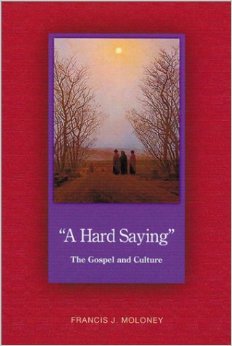 |
“There is something new and startling in both his person and his teaching that defies the categories provided by the world and culture in which he lived. It is clearest in all its radical nature in Jesus' insistence that in his person and activity God's decisive intervention was already present:” Francis Moloney, A Hard Saying Moloney places Jesus within the category of decisive divine intervention already entering history. This provides an important eschatological parallel for the Paraclete Papers: fulfillment need not be confined to a remote end-time event, but may become historically present through a divinely commissioned person and activity. |
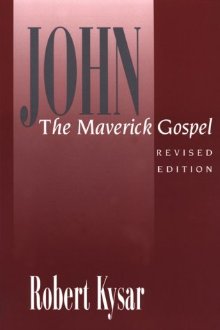 |
“The Paraclete has a twofold function: to communicate Christ to believers and, to put the world on trial.” Robert Kysar, John The Meverick Gospel Kysar is especially relevant because he gives the Paraclete a twofold ministry: communicating Christ to believers while also placing the world under judgment. The formulation joins revelation and discernment in a single mission. For the Paraclete Papers, this means fulfillment cannot be measured by spiritual experience alone; it must also account for a continuing ministry that makes Christ known, exposes error, and confronts the world with the meaning of Jesus’ life and teaching. |
 |
“But She—the Spirit, the Paraclete...—will teach you everything.” Danny Mahar, Aramaic Made EZ) Mahar is important to the Divine Feminine dimension of the Paraclete Papers because his rendering presents the Spirit-Paraclete with feminine reference while retaining the decisive Johannine promise that the Paraclete will teach. The significance is therefore not grammatical gender alone. The passage combines personal agency with instruction: the promised Spirit teaches, communicates, and continues revelation. This makes the citation relevant to both the paper’s gender question and its argument that the Paraclete’s ministry is identifiable through teaching. |
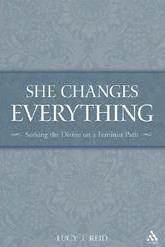 |
“Grammatical nonsense but evidence of the theological desire to defeminize the Divine.” Lucy Reid, She Changes Everything Reid is relevant because her observation raises the question of how grammatical choices and later theological conventions have shaped Christian language for the Spirit. The issue matters to the Paraclete Papers because John portrays the Paraclete through personal actions—teaching, reminding, witnessing, speaking, guiding, and declaring. Reid therefore provides a useful bridge between the debate over feminine divine language and the larger question of whether inherited terminology has narrowed how Christians imagine the personal agency of the promised Spirit. |
 |
“The functions of the Paraclete spelled out in verses 13-15... are all acts of open and bold speaking in the highest degree.” David Fleer, Preaching John's Gospel Fleer is especially relevant because John 16:13–15 describes the Paraclete through acts of guiding, hearing, speaking, and declaring. His emphasis on open and bold speech makes intelligible communication central to the promised ministry. For the Paraclete Papers, this is an important criterion of fulfillment: the Johannine Paraclete is not described merely as an occurrence of spiritual power, but as an active revealer who communicates truth, interprets what belongs to Christ, and makes that revelation known to others. |
 |
“The reaction of the world to the Paraclete will be much the same as the world's reaction was to Jesus.” Berard L. Marthaler, The Creed: The Apostolic Faith in Contemporary Theology Marthaler is important because he identifies a deliberate Johannine parallel between the world’s response to Jesus and its response to the Paraclete. The comparison concerns recognition as well as rejection: John says that the world cannot receive the Spirit of truth because it neither sees nor knows the Paraclete. For the Paraclete Papers, this means that non-recognition does not automatically disqualify a claimed fulfillment; the Gospel itself anticipates resistance to the promised figure in a pattern resembling the world’s response to Jesus. |
 |
Bultmann calls the “coming of the Redeemer an 'eschatological event,' 'the turning-point of the ages.” G. Ladd, A Theology of the New Testament Ladd is relevant because the language of an eschatological “turning-point of the ages” places the coming of the Redeemer within the larger problem of realized eschatology. The citation helps the Paraclete Papers ask whether divine fulfillment can become historically present while still pointing toward a future consummation. Applied to the Johannine promise, this provides a framework for considering the Paraclete as a continuing presence and ministry rather than assuming that every dimension of Jesus’ promise was exhausted by the single event of Pentecost. |
 |
“The Paraclete equated with the Holy Spirit, is the only mediator of the word of the exalted Christ.” Benny Thettayil, In Spirit and Truth Thettayil is especially relevant because he identifies the Spirit-Paraclete as mediator of the word of the exalted Christ. This closely corresponds to John 16:13–15, where the Paraclete hears, speaks, receives what belongs to Christ, and declares it to the disciples. For the Paraclete Papers, the point establishes continuity: the promised Paraclete does not replace Jesus with an unrelated revelation, but continues and mediates His teaching after His departure. Teaching and transmission therefore become central marks of the promised ministry. |
 |
“The divine Paraclete, and no lessor agency, must show the world how wrong it was about him who was in the right.” Daniel B. Stevick , Jesus and His Own: A Commentary on John 13-17 Stevick is important because he emphasizes the judicial dimension of the Paraclete’s ministry. In John 16, the world’s judgment concerning Jesus is itself overturned: the Paraclete demonstrates that the world was wrong about the one who was truly in the right. For the Paraclete Papers, this expands the promise beyond consolation or inward inspiration. The Paraclete must also correct error, interpret the meaning of Christ, and disclose judgment—functions that give the promised ministry a public, revelatory, and eschatological character. |
 |
Stephen Smalley asserts that “The Spirit-Paraclete ... in John's Gospel is understood as personal, indeed, as a person.” Marianne Thompson, The God of the Gospel of John Thompson’s citation of Stephen Smalley is significant because it directly addresses whether John presents the Spirit-Paraclete as personal rather than merely as a force or influence. The Gospel repeatedly attributes personal actions to the Paraclete: teaching, reminding, witnessing, hearing, speaking, guiding, and declaring. For the Paraclete Papers, this strengthens the distinction between a sustained personal ministry and an interpretation that reduces fulfillment to an impersonal manifestation of spiritual power at Pentecost. |
 |
“The Messiah will come and the great age of salvation will dawn (for the pious).” Eric Eve, The Jewish context of Jesus' Miracles Eve’s statement supplies the Jewish eschatological background against which early Christian expectations of Messiah, salvation, and the age to come developed. The coming of the Messiah is associated with the dawning of a great age of salvation rather than with an isolated religious experience. For the Paraclete Papers, this wider horizon is useful because it places Johannine language about Spirit, revelation, judgment, and eternal life within an expectation of decisive divine intervention that transforms the religious situation of humanity. |
 |
“The remembrance is to relive and re-enact the Christ event, to bring about new eschatological decision in time and space.” Daniel Rathnakara Sadananda, The Johannine Exegesis of God Sadananda is especially relevant because he interprets Johannine remembrance as more than the recovery of past information. To remember Christ is to relive and re-enact the Christ event so that its revelatory significance becomes present in a new time and place. This gives the Paraclete’s work in John 14:26 an ongoing eschatological dimension. For the Paraclete Papers, remembrance therefore supports the idea of continuing revelation: Jesus’ teaching is made living and effective beyond the lifetime of the original disciples. |
 |
“The Spirit acts in such an international situation as the revealer of 'judgment' on the powers that rule the world.” Michael Welker, God the Spirit Welker is relevant because he presents the Spirit as revealer of judgment upon powers that rule the world. This closely parallels John 16:8–11, where the Paraclete exposes the truth concerning sin, righteousness, and judgment. For the Paraclete Papers, the citation shows that the Spirit’s work cannot be confined to inward consolation or private mystical experience. The promised ministry also has a public dimension: it interprets the world, challenges false judgment, and reveals the spiritual significance of powers and events. |
 |
The Paraclete's “Appearance means that sin, righteousness, and judgment will be revealed.” Georg Strecker, Theology of the New Testament Strecker is especially relevant because he concentrates attention on the three categories named in John 16: sin, righteousness, and judgment. The Paraclete’s appearance is therefore revelatory and judicial, disclosing realities that the world has misunderstood. For the Paraclete Papers, these functions provide concrete criteria for examining fulfillment. The promised Spirit is not described only as a source of inspiration; the Paraclete also exposes error, interprets the meaning of Jesus, and brings the world’s assumptions under divine judgment. |
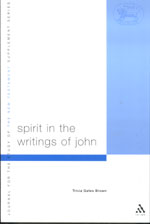 |
“While the Spirit-Paraclete is the true broker, the brokers they rely on are impostors.” T. G. Brown, Spirit in the writings of John Brown’s description of the Spirit-Paraclete as the “true broker” highlights the problem of mediation and religious authority. A broker communicates and mediates access; in Johannine terms, the Paraclete mediates the revelation of Christ to the believing community. For the Paraclete Papers, the contrast with false brokers raises an important question: how is authentic divine mediation recognized when institutions and interpreters also claim authority to speak for God? The Gospel’s functions of teaching, testimony, guidance, and declaration become relevant criteria. |
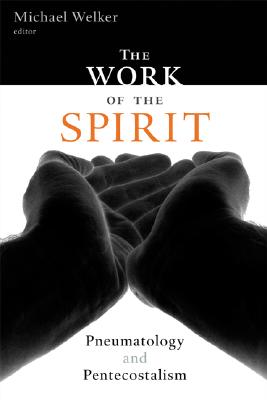 |
“The pneumatological activity ... of the Paraclete ... may most helpfully be considered in terms of the salvific working of the hidden Spirit.” Michael Welker, The work of the Spirit Welker is relevant because his description of the salvific working of the “hidden Spirit” cautions against identifying divine activity only with spectacular manifestations. The Spirit may work through revelation, transformation, discernment, and continuing mediation even when that activity is not immediately recognized by the wider world. For the Paraclete Papers, this provides a useful pneumatological framework for reconsidering fulfillment after Pentecost: continuing divine activity need not reproduce the outward form of Acts 2 in order to remain spiritually significant. |
 |
“The pneuma is the peculiar power by which the word becomes the words of eternal life.” Robert Kysar, Voyages with John Kysar is relevant because he links pneuma with the power by which the word becomes “words of eternal life.” The Spirit therefore does more than accompany proclamation; the Spirit makes revelation living and effective for those who receive it. For the Paraclete Papers, this reinforces the importance of the Johannine verbs of teaching, reminding, speaking, and declaring. A proposed fulfillment should be examined not only for manifestations of power but also for its relationship to revelatory words that communicate spiritual life. |
 |
“The gift of peace, therefore, is intimately associated with the gift of the Spirit-Paraclete.” Francis J. Moloney, The Gospel of John Moloney is relevant because he connects Jesus’ gift of peace directly with the gift of the Spirit-Paraclete in the farewell discourse. Peace is therefore not merely an emotional state but part of the continuing divine presence promised to the disciples after Jesus’ departure. For the Paraclete Papers, this broadens the criteria for considering fulfillment beyond teaching and testimony alone. The promised ministry is also associated with an experienced spiritual peace that accompanies the continuing presence of Christ through the Paraclete. |
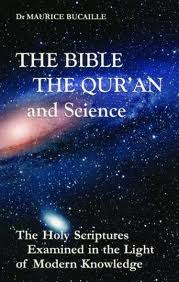 |
“Jesus therefore predicts that God will later send a human being to Earth to take up the role defined by John .i.e. to be a prophet who hears God's words and repeats his message to man.” M. Bucaille The Bible, the Qur'n, and Science Bucaille is included as a comparative interpretation because he reads the Johannine promise as anticipating a later human messenger who hears divine words and communicates them to humanity. Whether or not that interpretation is accepted, it demonstrates that John 16:13 has generated readings substantially different from the conventional identification of the promise solely with Pentecost. For the Paraclete Papers, the citation is useful because it keeps attention on the text’s language of hearing, speaking, transmission, and personal agency. |
 |
“This utopian hope, even when modestly expressed, links Jesus and the prophets to a much wider history of human longing.” Harvey Cox, The Future of Faith Cox is relevant because he places Jesus and the prophets within a much wider history of human hope for transformation. Eschatological expectation is therefore not merely curiosity about future events; it expresses a persistent longing for divine intervention, justice, renewal, and a different order of life. For the Paraclete Papers, this broadens the setting of the Johannine promise. The coming of the Paraclete can be considered within Christianity’s larger expectation that divine action will continue to transform human history and consciousness. |
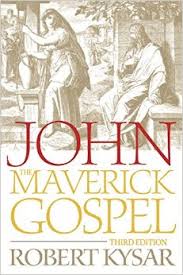 |
“Because of the presence of the Paraclete in the life of the believer, the blessings of the end-times—the eschaton—are already present.” Robert Kysar, John Kysar is especially relevant because he connects the presence of the Paraclete with blessings of the eschaton already becoming present in the believer’s life. This is a clear expression of realized eschatology: realities associated with the end-time can be experienced within the present. For the Paraclete Papers, that framework helps bridge future promise and present spiritual experience. It allows the Paraclete’s ministry to be considered as an active fulfillment in history without requiring every dimension of eschatological expectation to be already completed. |
 |
“They are going, by the Holy Spirit's power, to be part of the greatest miracle of all, bringing men to salvation.” R. Picirilli, The Randall House Bible Commentary Picirilli is relevant because he presents the Holy Spirit’s power as continuing through the disciples’ mission of bringing people to salvation. Pentecost therefore functions as an empowering beginning rather than as the termination of everything that can subsequently be said about the Spirit’s activity. For the Paraclete Papers, this distinction is important: Acts 2 may inaugurate Spirit-empowered mission while the Johannine promises of teaching, remembrance, testimony, guidance, declaration, and judgment continue to require theological consideration beyond that initial event. |
|
“The Kingdom of God stands as a comprehensive term for all that the messianic salvation included... is something to be sought here and now (Mt. 6:33) and to be received as children receive a gift (Mk. 10:15 = Lk. 18:16-17).” G. Ladd, A Theology of the New Testament Ladd is relevant because the language of an eschatological “turning-point of the ages” places the coming of the Redeemer within the larger problem of realized eschatology. The citation helps the Paraclete Papers ask whether divine fulfillment can become historically present while still pointing toward a future consummation. Applied to the Johannine promise, this provides a framework for considering the Paraclete as a continuing presence and ministry rather than assuming that every dimension of Jesus’ promise was exhausted by the single event of Pentecost. |
💬 Interactive Chat
Explore this article, its sources, and the relationships among its theological and evidentiary claims.
Open chat →