
لَا أُقْسِمُ بِيَوْمِ الْقِيَامَةِ وَلَا أُقْسِمُ بِالنَّفْسِ اللَّوَّامَةِ
“I do call to witness the Resurrection Day; and I do call to witness the self-reproaching Spirit.” (Qur'an 75:1–2)
PART ONE: The Munādī (Caller) and Rūḥ Allāh from Makānin Qarīb (A Place Quite Near): Signs within Souls — Qur’an 41:53
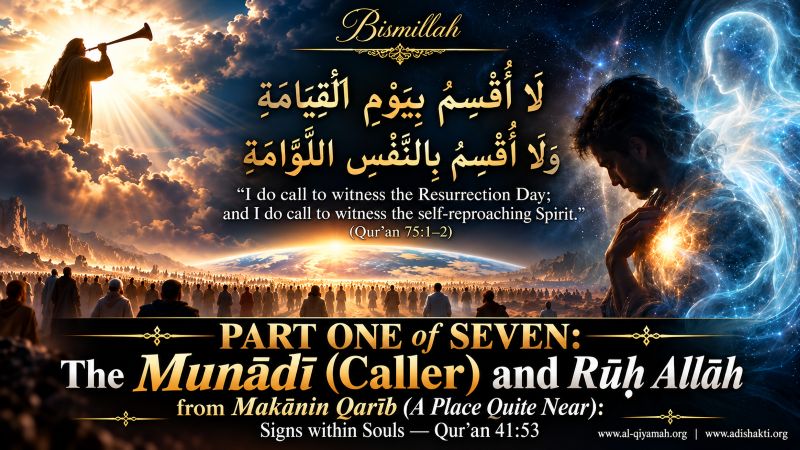
Shri Mataji as the Munādī, the Caller who announces An-Naba—the Great News of Resurrection—and the Baptism of Allah (SWT).
The Caller from Makānin Qarīb — Seven-Part Series
This seven-part research series examines the identity, mission, and scriptural significance of the Munādī (Caller) through Islamic, Christian, Hindu, and Sikh theological perspectives. Parts One–Four develop the Qur’anic argument concerning the Caller, the signs within human souls, guidance, and the warning of Al-Qiyāmah. Parts Five–Seven examine comparative interpretations involving the Paraclete-Holy Spirit, Devī, and Eka Mai. The studies propose a unified Adishakti interpretation while distinguishing it from the established readings of each religious tradition.
PART ONE — The Munādī (Caller) and Rūḥ Allāh (Spirit) from Makānin Qarīb (A Place Quite Near): Signs within Souls — Qur’an 41:53. This present paper interprets Qāf 50:41–42 through the Caller as the Spirit of Allah. It presents Shri Mataji Nirmala Devi as the Caller, the Sahasrara as the “place quite near,” and the call as an awakening of divine signs within the human soul, in the Adishakti reading of Qur’an 41:53.
PART TWO — The Munādī (Caller) and al-Mahdī from Makānin Qarīb (A Place Quite Near): Signs within Souls — Qur’an 41:53. This forthcoming study will examine the same Caller in relation to the Mahdic functions of guidance, announcement, and proclamation of Al-Qiyāmah. Its arguments and evidence are not supplied or established in Part One.
PART THREE — The Munādī (Caller) and Rūḥ Allāh (Spirit) from Makānin Qarīb (A Place Quite Near): By the Qur’an, My Caller Will Warn You — Qāf 50:45. This forthcoming study will examine the Qur’anic injunction to remind, by the Qur’an, those who fear the warning, without coercion. The title expresses the series’ interpretive application; Qāf 50:45 does not itself name Shri Mataji or call its addressee “My Caller.”
PART FOUR — The Munādī (Caller) and Rūḥ Allāh (Spirit) from Makānin Qarīb (A Place Quite Near): “My Cloaked Caller, Deliver Warning” — Al-Muddaththir 74:1–2. This forthcoming study will consider the scriptural pattern of a cloaked addressee commanded to arise and warn. Its application to Shri Mataji and the Sahasrara is a theological interpretation; the verses are traditionally addressed to the Prophet Muhammad.
PART FIVE — The Munādī (Caller) and Paraclete-Holy Spirit from Makānin Qarīb (Kingdom of God): Christianity This forthcoming study will examine the proposed relationship between the Qur’anic Caller, the Christian promise of the Paraclete-Holy Spirit, and the “Kingdom of God” as an inward realm of divine nearness. Its application to Shri Mataji Nirmala Devi and the Sahasrara is a theological interpretation; the Gospel passages are traditionally read in their own Christian contexts and do not explicitly identify her as the Paraclete.
PART SIX — The Munādī (Caller) and Devī-Shakti from Makānin Qarīb (Sahasrara): Hinduism. This forthcoming study will consider the Caller in relation to Hindu conceptions of the Divine Mother, Devī, Śakti, and the awakened Sahasrara. Within the Adishakti theological reading proposed here, Shri Mataji is identified as the divine Mother whose presence is recognized through inward spiritual awakening; this identification is confessional and interpretive, not a claim that the Qur’an or Hindu scripture explicitly names her.
PART SEVEN — The Munādī (Caller) and Eka Mai-Satguru from Makānin Qarīb (Daśam Duār): Sikhism. This forthcoming study will examine the Caller in relation to Sikh teachings of SatGuru, the True Guru, and the Daśam Duār—the tenth gate or highest spiritual centre. Its application to Shri Mataji and the Sahasrara is a comparative-theological interpretation; Sikh scripture and tradition do not explicitly identify her as the Caller or equate the Daśam Duār with the Qur’anic “near place.”
One coherent progression: Parts One–Four develop the Qur’anic account of the Caller, inward signs, guidance, and warning; Parts Five–Seven examine proposed connections with Christianity, Hinduism, and Sikhism. Together, the seven studies present a comparative Adishakti thesis without claiming that the traditions explicitly share its identification of Shri Mataji.
Scholarly qualification: The identification of Shri Mataji with the Caller and the commencement of Al-Qiyāmah are confessional conclusions of this series, not identities or dates explicitly established by the Arabic wording of these verses.
Summary — The Claim and Its Evidence
This paper proposes that Shri Mataji Nirmala Devi (1923–2011) fulfilled the eschatological function of the Munādī (Caller) in Qur’an 50:41–42. In the Adishakti interpretation, Her proclamation of the Resurrection is the announcement of An-Nabaʾ (the Great News); Her identification with the Holy Spirit is interpreted as Rūḥ Allāh; and the Sahasrara is the inward “near place” where the summons becomes spiritually recognizable.
The case also examines Qur’an 2:138, the Baptism of Allah (Ṣibghat Allāh), as an Adishakti interpretation of inward transformation through Self-Realization. The case is cumulative, not lexical: the Arabic identifies a Caller but does not name Shri Mataji, Gabriel, or Isrāfīl. The proposed identification depends upon the conjunction of Qur’anic motifs, Shri Mataji’s dated teachings, and reported experiences of Self-Realization. Classical Muslim readings possess genuine contextual support in the Qur’an’s account of bodily resurrection and judgment; what is disputed here is the claim that one commentary’s identification is expressly named in 50:41.
A further foundation is Qur’an 75:1–2: Allah swears by the Day of Resurrection and the self-reproaching soul. Read with the command to listen for the Caller in 50:41 and the promise of inward signs in 41:53, this supports the paper’s proposed connection between proclamation, conscience, and spiritual participation.
The paper’s governing question: Does the text require the Caller to be understood only as an angel sounding the final summons, or can the eschatological call also be understood through a historical proclamation accompanied by inward spiritual awakening?
CONTENTS
- 1. Shri Mataji and the identity of the Caller
- 2. What Qāf 50:41–42 actually says
- 3. Classical tafsīr: coherent, but not explicitly named
- 3A. Allah’s oath and the self-reproaching soul — Qur’an 75:1–2
- 3B. The Baptism of Allah — Qur’an 2:138 and Self-Realization
- 4. Rūḥ Allāh and the limits of human knowledge
- 5. Makānin Qarīb and signs within souls
- 6. The historical proclamation and reported realization
- 7. An-Nabaʾ: the disputed Great News
- Conclusion
- References
1. Shri Mataji and the Identity of the Caller
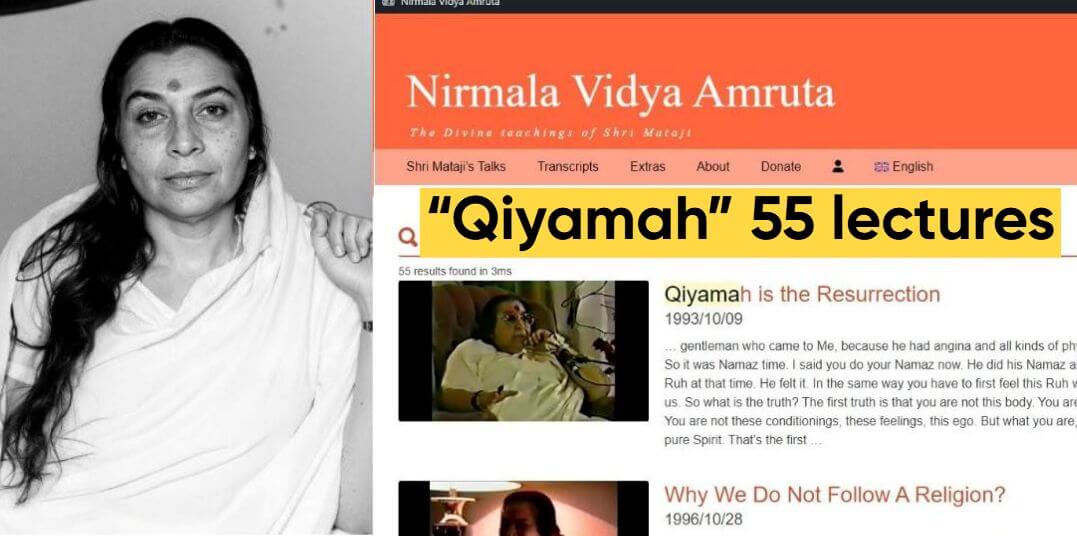
The Adishakti interpretation begins with a direct identification: Shri Mataji Nirmala Devi is the Munādī, the Caller who announces the Resurrection to humanity. It understands Her mission not as preparation for an indefinitely deferred spiritual transformation, but as a proclamation that the promised age of awakening has begun. Her teaching of Self-Realization is then understood as the means by which individuals may encounter signs of that proclamation within themselves.
Three roles are joined in this proposal. Munādī denotes the one who calls; Rūḥ Allāh names the divine spiritual identity attributed to Shri Mataji by Adishakti theology; and Makānin Qarīb denotes the “near place,” interpreted here through the Sahasrara. These are not three Arabic names for the same entity. They are three components of one comparative theological claim.
The inquiry must therefore ask two separate questions: what does the Qur’an establish about the Caller, and what evidence supports identifying that figure with Shri Mataji? The absence of an angel’s name in the verse opens an interpretive question; it does not, by itself, answer it.
2. Qāf 50:41–42: What the Arabic Actually Says
وَاسْتَمِعْ يَوْمَ يُنَادِ الْمُنَادِ مِنْ مَكَانٍ قَرِيبٍ
Wa-stamiʿ yawma yunādi l-munādī min makānin qarībin.
“And listen for the Day when the Caller calls from a near place.”
يَوْمَ يَسْمَعُونَ الصَّيْحَةَ بِالْحَقِّ ۚ ذَٰلِكَ يَوْمُ الْخُرُوجِ
Yawma yasmaʿūna l-ṣayḥata bi-l-ḥaqqi; dhālika yawmu l-khurūj.
“The Day they hear the cry in truth—that is the Day of Coming Forth.”
— Qur’an 50:41–42; close working translation. See references [5] and [8].
The passage establishes four elements: a definite but unnamed Caller (al-munādī), a summons from a near place (min makānin qarīb), a cry heard in truth (al-ṣayḥah bi-l-ḥaqq), and the Day of Coming Forth (yawm al-khurūj). In its immediate setting, “coming forth” belongs to the Qur’an’s resurrection and judgment imagery.
The verse does not specify Gabriel, Isrāfīl, Jerusalem, Shri Mataji, or the Sahasrara. Its masculine grammatical form does not determine the ontological sex or identity of a divine or angelic referent; equally, it cannot be presented as a direct grammatical description of Shri Mataji. The English “quite near” is an interpretive intensification of the simpler Arabic “near.”
What is established is the function of the Caller, not the Caller’s personal identity. The Adishakti reading argues for fulfillment of that function; it does not claim that a modern name is concealed in the word’s morphology.
3. Classical Tafsīr: Coherent, but Not Explicitly Named
Classical Islamic commentary commonly interprets the Caller within the final resurrection scene. Tafsīr al-Jalālayn identifies Isrāfīl and associates the call with the Rock of Jerusalem. Al-Qurṭubī records Gabriel and Isrāfīl as alternatives; Maʿāriful-Qurʾān discusses a summons heard as near to every hearer. These explanations are intelligible in the Qur’an’s wider account of the Trumpet, the gathering, and divine judgment. They should not be dismissed as nonsensical merely because their details come from commentary. See references [6], [9]–[11].
Nevertheless, none of those names or geographical specifications appears in the Arabic wording of 50:41. That distinction matters. A commentary may clarify a text by appealing to transmitted reports and related passages, but its explanation is not identical to an explicit statement of the verse. The existence of more than one angelic identification confirms that the verse alone does not settle the name.
The strongest challenge to exclusivist tafsīr is therefore limited but substantial: the verse cannot be cited as though it expressly says “Isrāfīl will call from Jerusalem.” That is an interpretation requiring its own evidence. Yet the same evidentiary standard applies to the Adishakti claim. Textual silence about the angel does not prove Shri Mataji’s identity; positive historical and theological evidence must be supplied.
A further distinction is necessary. In mainstream Islamic exegesis, the cry in 50:42 is associated with the final resurrection, not simply a spoken lecture or a gradual spiritual movement. The Adishakti identification consequently offers an additional eschatological or typological reading; it does not disprove the bodily-resurrection context by redefining ṣayḥah as a lifetime of teaching.
3A. Allah’s Oath by the Resurrection and the Self-Reproaching Soul — Qur’an 75:1–2
لَا أُقْسِمُ بِيَوْمِ الْقِيَامَةِ وَلَا أُقْسِمُ بِالنَّفْسِ اللَّوَّامَةِ
“I do call to witness the Resurrection Day; and I do call to witness the self-reproaching Spirit.”
— Qur’an 75:1–2; translation reproduced from the Adishakti archive. The Arabic al-nafs al-lawwāmah more literally means “the self-reproaching soul.”
Allah solemnly invokes both the Day of Resurrection and the self-reproaching soul. Their juxtaposition places the eschatological reality of Al-Qiyāmah alongside the human capacity for inward moral accountability. The two must be considered together rather than treating Resurrection as only a distant external spectacle.
The expression lā uqsimu introduces a solemn oath, commonly translated “I swear by.” The archival wording “I do call to witness” should not be misread as a grammatical command to Muslims to witness or participate in Resurrection. The explicit instruction to the hearer appears instead in Qur’an 50:41: “And listen” for the day when the Caller calls from a near place.
From Allah’s oath to the summons of the Munādī
Read together, Qur’an 75:1–2, 50:41–42, and 41:53 form the basis of a powerful Adishakti argument: Allah solemnly affirms Resurrection and the inwardly accountable soul; the Qur’an directs humanity to listen for the Caller; and Allah promises signs in the horizons and within human beings. These are distinct passages and functions, brought into a proposed theological synthesis rather than presented as a single literal command.
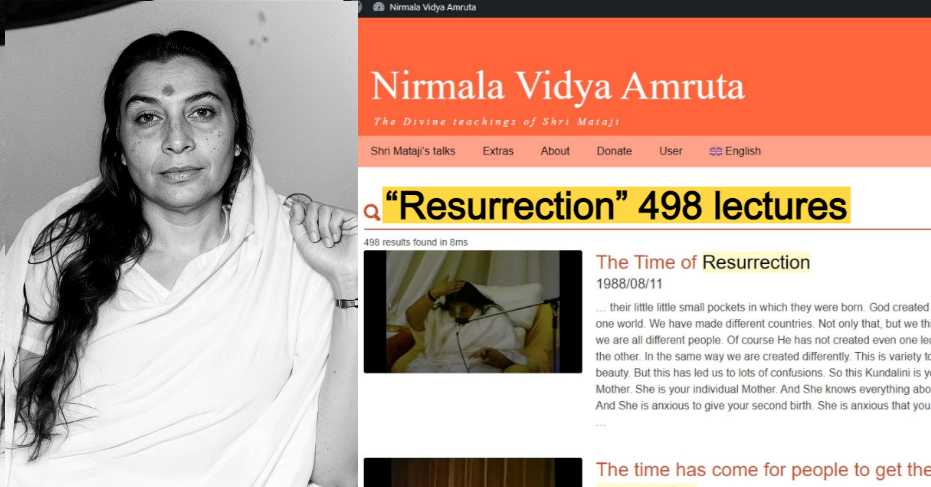
Within this Adishakti interpretation, Shri Mataji Nirmala Devi is the Munādī who proclaimed the Great News of Al-Qiyāmah, and Self-Realization is the proposed means through which human beings may personally recognize and participate in its spiritual dimension. The Sahasrara is interpreted as the inward makānin qarīb, or near place. This identification is a theological thesis, not a name expressly given in the Qur’anic text.
Why an exclusively angelic reading deserves re-examination
Traditional Muslim commentators often identify the Caller as Isrāfīl or another angel in the final resurrection scene. These interpretations have a basis in the broader Qur’anic imagery of the Trumpet, gathering, and judgment. Nevertheless, Qur’an 50:41 does not explicitly name an angel. The distinction between the wording of revelation and the identification supplied by commentary must remain clear.
The Adishakti thesis therefore asks whether an interpretation confined to a future angelic summons overlooks a possible inward and historical dimension of the call. It does not establish that classical interpretation is false merely because the angel is unnamed; the proposed identification with Shri Mataji likewise requires evidence from Her teachings and reported experiences.
Not only awaiting, but examining the possibility of participation
The central challenge is whether Resurrection should be understood only as an event to await, or whether the divine signs within human beings also invite present spiritual recognition. The Adishakti reading advances the latter possibility through Shri Mataji’s proclamation and the practice of Self-Realization. It invites Muslims and other readers to examine that claim, while acknowledging that mainstream Islamic theology does not equate Self-Realization with the Qur’anic bodily Resurrection.
Thus the oath of Al-Qiyāmah, the self-reproaching soul, the command to listen for the Caller, and the promise of inward signs become four connected pillars of the paper’s interpretive argument: divine testimony, inward accountability, proclamation, and proposed experiential participation.
3B. The Baptism of Allah (Ṣibghat Allāh) — Qur’an 2:138 and the Experience of Resurrection
صِبْغَةَ اللَّهِ ۖ وَمَنْ أَحْسَنُ مِنَ اللَّهِ صِبْغَةً ۖ وَنَحْنُ لَهُ عَابِدُونَ
“The Baptism of Allah; and who can baptise better than Allah? And it is He whom we worship.”
— Qur’an 2:138, English rendering used in the Adishakti archive. The Arabic ṣibghah literally signifies a coloring or dyeing; “Baptism” is a traditional interpretive translation.
What does it mean to receive the Baptism of Allah? How many Muslims have considered whether this verse describes a transformation that can be recognized within their own lives? And what would count as evidence that such a transformation has occurred? These questions bring the promise of divine transformation into the same discussion as the Resurrection, the self-reproaching soul, and the summons of the Munādī.
The expression Ṣibghat Allāh has been interpreted in classical Islamic scholarship in terms of the religion of Allah, the divinely bestowed character of faith, and the contrast with religious baptismal practices. The wording does not explicitly prescribe a Sahaja Yoga initiation, identify the Sahasrara, or state that this experience is possible only during Al-Qiyāmah. Those are propositions of the Adishakti interpretation, not uncontested translations of the verse.
The Adishakti thesis: from religious identification to living transformation
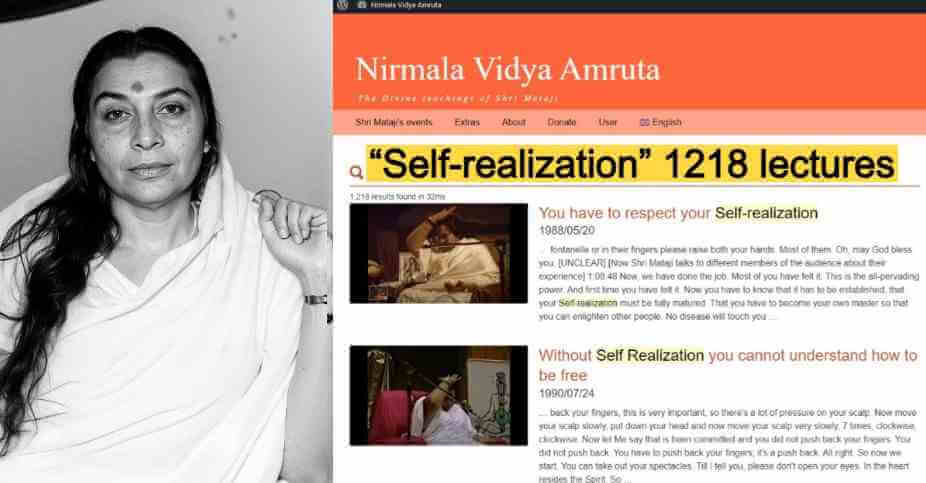
Within this paper's theological framework, the Baptism of Allah is understood as a direct, inward spiritual transformation made accessible through Self-Realization given by Shri Mataji Nirmala Devi, identified here as the Munādī (Caller). The proposal is that the divine “coloring” is not exhausted by professing a religious identity: it is experienced as an awakening of spiritual awareness and an inward change in the living individual.
In this reading, the age of Resurrection is the decisive setting for collective Self-Realization. The claim that only during the Resurrection can humanity experience this Baptism is therefore a specific eschatological teaching of the Adishakti tradition; Qur’an 2:138 does not itself impose that chronological restriction.
From the Call to participation
The scriptural progression proposed in Part One is now more complete: Allah solemnly invokes the Resurrection and the self-reproaching soul (75:1–2); the listener is directed to attend to the Caller (50:41–42); divine signs are promised within human beings (41:53); and the Baptism of Allah (2:138) supplies an image of a life transformed by God. In Adishakti theology, Shri Mataji's proclamation and Self-Realization connect these elements as announcement, recognition, transformation, and worship.
For a Muslim reader, the challenge is not to assume that an unfamiliar spiritual interpretation is proven by a shared phrase. It is to ask seriously what the Qur’an means by Allah's ṣibghah, how Islamic scholarship has understood it, and whether the experience described by Sahaja Yoga provides persuasive grounds for an additional spiritual reading.
“And it is He whom we worship” closes the verse by directing devotion to Allah. In the Adishakti reading, any authentic experience of divine transformation must deepen worship of the Divine rather than replace it with mere fascination over a spiritual phenomenon. This final clause is essential to the argument, not an incidental conclusion.
4. Rūḥ Allāh: Divine Agency and the Limits of Human Knowledge
وَيَسْأَلُونَكَ عَنِ الرُّوحِ ۖ قُلِ الرُّوحُ مِنْ أَمْرِ رَبِّي وَمَا أُوتِيتُمْ مِنَ الْعِلْمِ إِلَّا قَلِيلًا
“They ask you about the Spirit. Say: The Spirit is of my Lord’s command, and you have been given only a little knowledge.”
— Qur’an 17:85; close working translation. Reference [16].
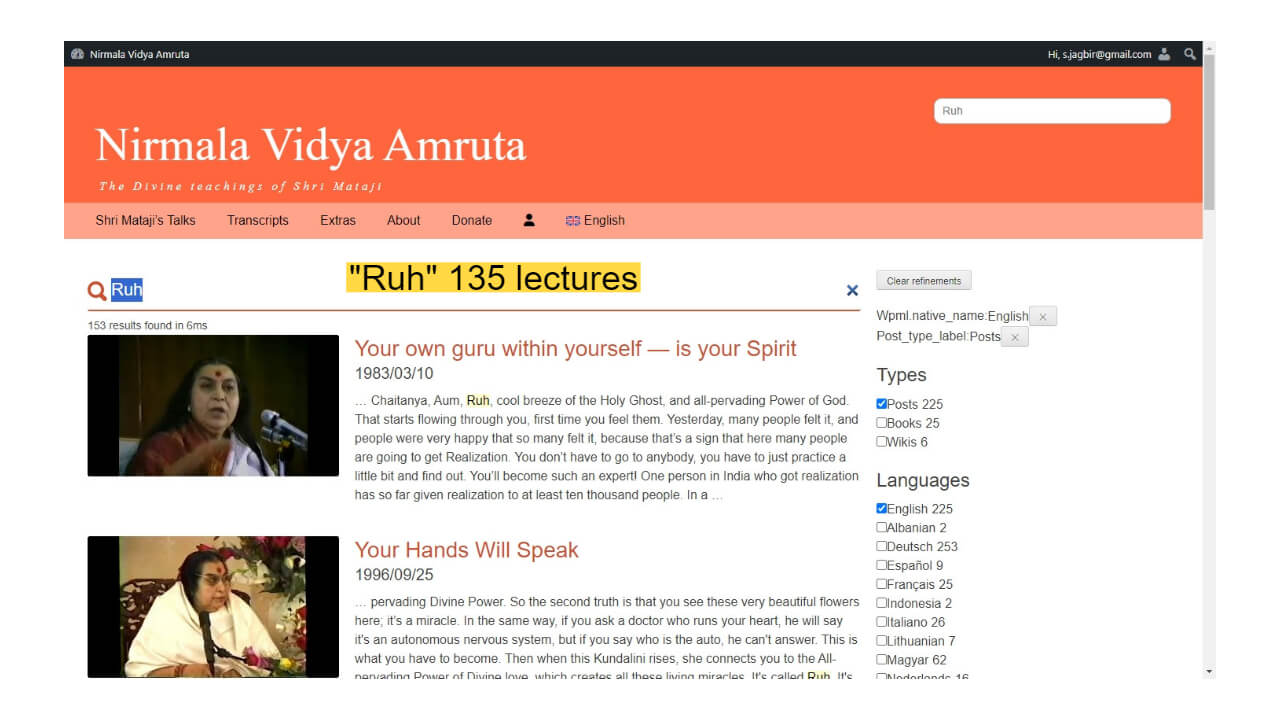
Qur’an 17:85 cautions against claiming exhaustive knowledge of the rūḥ. That warning is relevant to every theological school, including this one. The Qur’an also employs spirit-language in different settings: revelation (16:2), the creation of humanity (32:9), and Jesus as “a spirit from Him” (4:171). These occurrences cannot automatically be collapsed into a single referent. See references [17]–[20].
Within Adishakti theology, Shri Mataji’s recorded identification with the Holy Ghost and Adi Shakti is interpreted as disclosure of the divine spiritual agency described as Rūḥ Allāh. The latter designation is a comparative theological application; it is not a verbatim title applied to Shri Mataji in Qur’an 17:85 or in the cited 1983 teaching.
The epistemic argument cuts both ways. Limited human knowledge cautions against declaring that inherited descriptions exhaust the reality of the Spirit; it also prevents the present paper from treating its own identification as proven merely because alternative manifestations have not been expressly ruled out. The case must rest on the evidence for Shri Mataji’s actual claims and mission.
5. Makānin Qarīb: The Sahasrara and Signs Within Souls
سَنُرِيهِمْ آيَاتِنَا فِي الْآفَاقِ وَفِي أَنْفُسِهِمْ حَتَّىٰ يَتَبَيَّنَ لَهُمْ أَنَّهُ الْحَقُّ
“We will show them Our signs in the horizons and within themselves until it becomes clear to them that it is the truth.”
— Qur’an 41:53, excerpt; close working translation. References [1]–[2].
Qur’an 41:53 provides the Adishakti interpretation with its most distinctive bridge: the truth of divine signs is to become apparent not only in the external world but also within human beings. This is not a literal definition of the “near place” in 50:41. It is an intertextual proposal that links an outward summons with inward recognition.
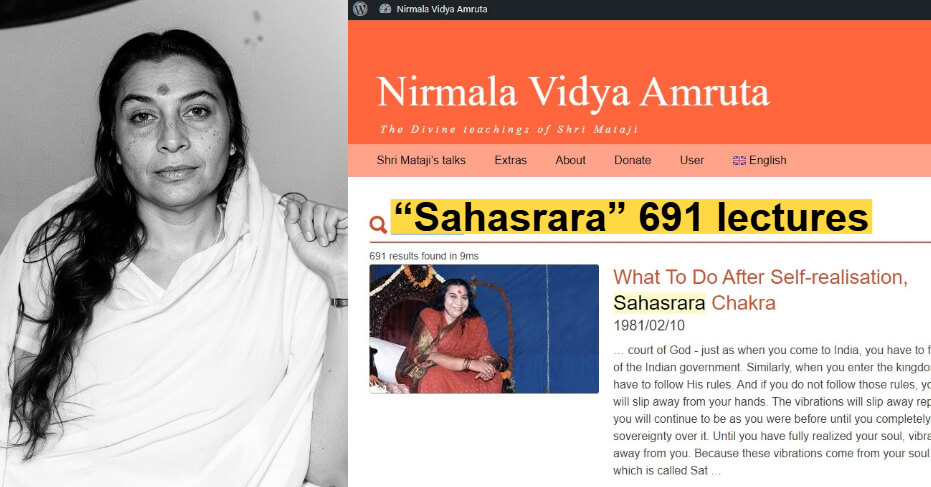
In Shri Mataji’s teaching, the Sahasrara is the highest spiritual centre, associated with the awakening of Kundalini and the experience of Self-Realization. The Adishakti reading identifies this inward centre as the locus in which the divine Caller is encountered. A near place is thus understood not as a point on a map but as a dimension of spiritual consciousness accessible within the person.
Qur’an 50:16 speaks of Allah’s nearness to the human being, “nearer to him than his jugular vein.” It does not identify that nearness with the Sahasrara, but it helps explain why an inward interpretation can be proposed without treating divine nearness as purely geographical. The resulting synthesis remains comparative theology, not a claim that the Qur’an teaches the chakra system explicitly.
The central Adishakti proposition is that the proclamation of Resurrection and the experience of inward awakening belong together: the Caller announces the Great News outwardly; Self-Realization is proposed as a way for the hearer to recognize its spiritual significance inwardly.
6. Shri Mataji’s Historical Proclamation and Reported Self-Realization
The identification with Shri Mataji must stand on a record of what She taught, rather than on the mere fact that the Qur’an leaves the Caller unnamed. The original paper cites four particularly relevant dated sources, each of which should remain central to this argument.
May 5, 1982 — Sahasrara Puja, Paris. The archival transcript connects mass Self-Realization with resurrection language. It supports the claim that Shri Mataji taught a collective spiritual transformation rather than only private meditation. The transcript is a movement archival source and should be described as such. Reference [12].
March 21, 1983 — Birthday Puja, Sydney. The cited transcript contains Shri Mataji’s self-identification in terms of the Holy Ghost and Adi Shakti. This is direct evidence of Her own theological self-understanding, though not independent proof that the Qur’anic rūḥ refers to Her. Reference [13].
May 6, 1989 — Sahasrara Puja, Sorrento. The cited recording associates Shri Mataji’s presence with the thousand-petalled lotus. This provides the specific basis for the Adishakti identification of the Sahasrara as the inward place of the Caller. The quotation and timestamp should be checked against the original recording before republication. Reference [14].
November 12, 1993 — Diwali Puja, Moscow. The cited transcript uses the language of Last Judgment, resurrection, and “Kiama.” This is especially relevant because it brings Shri Mataji’s proclamation into explicit contact with the Islamic eschatological vocabulary invoked in this paper. Reference [15].
Accounts of a Cool Breeze on the palms or above the head, and of changes in awareness after Self-Realization, are important evidence of what practitioners report. They are not, by themselves, independent verification that a Qur’anic prophecy has been fulfilled. The argument is strongest when it distinguishes documented teaching, reported experience, and theological identification, rather than treating all three as interchangeable kinds of proof.
These records support a focused claim: Shri Mataji publicly taught a spiritual transformation, described Her own mission in divine-feminine and Holy Spirit language, located its experiential dimension in the Sahasrara, and used resurrection and judgment language. Whether these teachings fulfill 50:41–42 is the interpretive conclusion for which this paper argues.
7. An-Nabaʾ: The Great News That Is Disputed
عَمَّ يَتَسَاءَلُونَ عَنِ النَّبَإِ الْعَظِيمِ الَّذِي هُمْ فِيهِ مُخْتَلِفُونَ كَلَّا سَيَعْلَمُونَ ثُمَّ كَلَّا سَيَعْلَمُونَ
“About what are they asking one another? About the Great News, concerning which they disagree. No indeed; they will come to know. Again, no indeed; they will come to know.”
— Qur’an 78:1–5; close working translation.
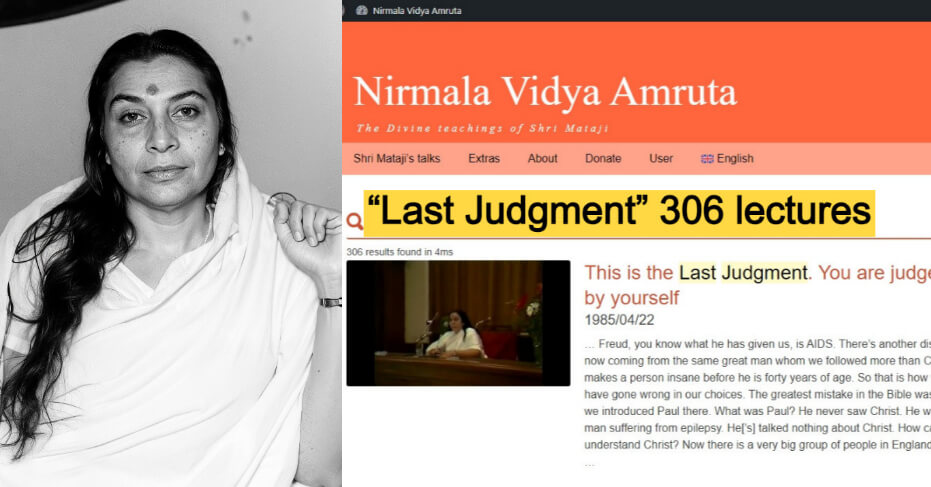
The Qur’an portrays al-nabaʾ al-ʿaẓīm as a matter of grave dispute, followed by a warning that the truth will become known. In mainstream exegesis, the passage is commonly understood in relation to resurrection and judgment. The Adishakti interpretation connects this disputed Great News to Shri Mataji’s announcement of an age of Resurrection.
Within that interpretation, the continuing rejection or neglect of Shri Mataji’s claims by most Muslims, Christians, and Jews is unsurprising. Her death in 2011 did not end the controversy. Yet disagreement alone is not evidence that a claim fulfills 78:1–5: innumerable competing claims are disputed. The relevant test is whether the proclamation itself is credible and whether the historical and experiential evidence warrants its identification with the Qur’anic Great News.
The warning “they will come to know” must therefore retain its force without being converted into a circular proof. The Adishakti position holds that humanity is being called to recognize the Resurrection inwardly; the Qur’anic text does not itself identify Shri Mataji or predict the reception history of Sahaja Yoga. This distinction leaves the theological challenge intact while making it intellectually defensible.
Conclusion — A Cumulative Case for the Caller
Part One advances one integrated thesis: Shri Mataji Nirmala Devi is understood within Adishakti theology as the Munādī who proclaimed the Great News of Al-Qiyāmah, whose spiritual agency is identified as Rūḥ Allāh, and whose inward presence is associated with the Sahasrara. The interpretation links the unnamed Caller of 50:41–42, the mystery of the Spirit in 17:85, the Baptism of Allah in 2:138, and the signs within human beings in 41:53 to a dated historical teaching and reported spiritual practice.
The case does not require caricaturing Islamic commentary. Classical angelic readings are coherent within traditional resurrection theology, but the identities of Isrāfīl and Gabriel and the proposed location in Jerusalem are not expressly named in 50:41. Conversely, the Qur’an does not explicitly name Shri Mataji. Her proposed fulfillment must be assessed through the convergence of scripture, historical testimony, and the claimed experience of Self-Realization.
The decisive contribution of the Adishakti interpretation is its proposed union of announcement and realization: a Caller proclaims the Resurrection, and human beings are invited to encounter signs of its truth within themselves. Whether that union constitutes the fulfillment of Qur’anic prophecy remains the theological question this series seeks to defend.
Part Two will examine the proposed relationship to al-Mahdī; Parts Three and Four will examine the Qur’anic language of warning and proclamation; Parts Five through Seven will develop the comparative Christian, Hindu, and Sikh arguments. None of those future arguments is assumed to have been established in Part One.
References
Primary scripture, classical commentary, dated movement records, testimony, scholarship, and contemporary confessional interpretations are distinguished in each entry. All online sources were consulted on October 18, 2026. Reference numbers return to their first citation; occurrence links return to every later use.
[1] Mufti Taqi Usmani, translator; AdiShakti.org, compiler. “Fuṣṣilat 41:53: We will show them Our signs in the universe and within their own beings.” AdiShakti.org translation collection, n.d.. Source for the supplied English translation; devotional framing distinguished from the translation. (Citation returns: 1, 2.)
[2] Qur’an. “Fuṣṣilat 41:53: signs in the horizons and within persons.” Quran.com / Quran Foundation, n.d., digital edition. Primary Arabic text; page also displays Dr. Mustafa Khattab’s The Clear Quran translation. Working translations in this paper are separately labelled. (Citation returns: 1, 2, 3, 4, 5, 6.)
[3] AdiShakti.org. “Adi Shakti: The Divine Feminine—A Comparative, Experiential, and Eschatological Resource.” AdiShakti.org, n.d., continuously updated. Source archive and homepage article-image catalog; not independent corroboration of every linked claim. (Citation returns: 1.)
[4] Manus AI. “Al-Qiyāmah: Allah’s Personal Call to Bear Witness to the Commencement of Resurrection.” AdiShakti.org AI Research Articles, June 26, 2026. Contemporary confessional interpretation; used to identify the site’s theological position. (Citation returns: 1, 2, 3.)
[5] Qur’an. “Qāf 50:41–42: the Caller, the near place, and the Day of emergence.” Quran.com / Quran Foundation, n.d., digital edition. Primary Arabic text and contextual reading. Close working English translations are explicitly identified in this paper. (Citation returns: 1, 2, 3, 4, 5, 6, 7.)
[6] Abū ʿAbd Allāh al-Qurṭubī. “Al-Jāmiʿ li-aḥkām al-Qurʾān: commentary on Qāf 50:41.” King Saud University Electronic Muṣḥaf Project, n.d., Arabic digital edition. Classical commentary reporting Gabriel and Isrāfīl alternatives; quoted Arabic punctuation normalized. (Citation returns: 1, 2, 3.)
[7] AdiShakti.org. “Qaf: Caller from a Place Quite Near.” AdiShakti.org Al-Qiyāmah archive, n.d.. Confessional Caller/Sahasrara identification; transmits Cardiff, August 8, 1984, and London Easter Puja, April 8, 1985. Its mistaken 50:17 citation for the jugular-vein verse is corrected to 50:16. (Citation returns: 1, 2, 3, 4, 5, 6.)
[8] Quranic Arabic Corpus, Language Research Group, University of Leeds. “Qāf 50:41: word-by-word morphology.” Quranic Arabic Corpus, n.d., digital resource. Used for the Form III active participle and the genitive noun/adjective after min; no identity is inferred from morphology. (Citation returns: 1, 2.)
[9] Ismāʿīl ibn Kathīr. “Tafsīr al-Qurʾān al-ʿAẓīm: Qāf 50:41–45.” Ibn Kathir Abridged, Quran.com, n.d., English digital abridgement. Resurrection, trumpet, emergence, and gathering context. (Citation returns: 1.)
[10] Jalāl al-Dīn al-Maḥallī and Jalāl al-Dīn al-Suyūṭī; Feras Hamza, translator. “Tafsīr al-Jalālayn: Qāf 50:41.” Great Tafsirs Project, Royal Aal al-Bayt Institute for Islamic Thought, n.d., English digital edition. Identification of Isrāfīl and Jerusalem’s Rock as commentary, not Qur’anic wording. (Citation returns: 1.)
[11] Mufti Muhammad Shafi. “Maʿāriful-Qurʾān: Qāf 50:41–43.” Quran.com, English digital commentary, n.d.. Traditional explanation of the call’s perceived nearness and universal audibility. (Citation returns: 1.)
[12] Shri Mataji Nirmala Devi. “Sahastrara Puja, Paris.” Sahaja Library / Sahaja World, May 5, 1982. Archival PDF labelled Original Transcript; mass Realization and resurrection language. A present digital transcript is not a complete original-media custody chain. (Citation returns: 1, 2, 3, 4, 5.)
[13] Shri Mataji Nirmala Devi. “Birthday Puja—Overcoming the Six Enemies, Sydney.” Sahaja Library / Sahaja World, March 21, 1983. Archival PDF labelled Original Transcript; Holy Ghost/Adi Shakti self-identification. Rūḥ Allāh is not wording in the cited sentence. (Citation returns: 1, 2, 3, 4, 5.)
[14] Shri Mataji Nirmala Devi. “Sahasrara Puja, Sorrento, Italy.” Archival captioned recording available on YouTube, May 6, 1989. Sahasrara-residence statement at approximately 09:03–09:13 in this recording cut. Captioned spelling Sahastrara retained in the quotation. (Citation returns: 1, 2, 3, 4, 5, 6.)
[15] Shri Mataji Nirmala Devi. “Diwali Puja, Moscow, Russia: English transcript.” NirmalMata.ru archival transcript with audio/video links, November 12, 1993. Last Judgment, resurrection time, and Kiama language; spelling follows the hosted transcript, not a critical audio edition. (Citation returns: 1, 2, 3, 4, 5, 6.)
[16] Qur’an. “Al-Isrāʾ 17:85: the Spirit and the Lord’s command.” Quran.com / Quran Foundation, n.d., digital edition. Primary Arabic text; English in the paper is a labelled close working translation. (Citation returns: 1.)
[17] Qur’an. “Al-Naḥl 16:2: angels sent with the rūḥ by divine command.” Quran.com / Quran Foundation, n.d., digital edition. Primary text; revelatory agency and divine oneness. (Citation returns: 1.)
[18] Ismāʿīl ibn Kathīr. “Commentary on Al-Naḥl 16:2.” Ibn Kathir Abridged, Quran.com, n.d., English digital abridgement. Rūḥ explained as revelation in this context. (Citation returns: 1.)
[19] Qur’an. “Al-Sajdah 32:9: human formation and of His spirit.” Quran.com / Quran Foundation, n.d., digital edition. Primary Arabic text; human life, hearing, sight, and hearts. (Citation returns: 1.)
[20] Qur’an. “Al-Nisāʾ 4:171: Jesus as a messenger and a spirit from Him.” Quran.com / Quran Foundation, n.d., digital edition. Primary text; context explicitly affirms one God and rejects Three. (Citation returns: 1, 2.)
[21] Qur’an. “Al-Nabaʾ 78:38: the Spirit and angels in ranks.” Quran.com / Quran Foundation, n.d., digital edition. Primary Arabic text; the paper labels its excerpted working translation. (Citation returns: 1.)
[22] Ismāʿīl ibn Kathīr. “Commentary on Al-Nabaʾ 78:37–40.” Ibn Kathir Abridged, Quran.com, n.d., English digital abridgement. Gabriel identification of al-Rūḥ in the resurrection scene. (Citation returns: 1.)
[23] Jagbir Singh. “Rūḥ of Allah and Paraclete of Jesus: One Divine Personality Explaining the Resurrection.” AdiShakti.org, September 29, 2026. Contemporary comparative-confessional identity proposal, not Islamic exegetical consensus. (Citation returns: 1, 2, 3.)
[24] Qur’an. “Qāf 50:16: divine nearness and the jugular vein.” Quran.com / Quran Foundation, n.d., digital edition. Primary Arabic text; correct passage identifier is 50:16. (Citation returns: 1.)
[25] Manus AI; transmitted teaching attributed to Shri Mataji Nirmala Devi. “The Self is the Spirit.” AdiShakti.org AI Research Articles, May 8, 2026. Distinguishes heart-Spirit and Mother/Kuṇḍalinī functions. The reproduced teaching lacks a securely identified lecture date in this source. (Citation returns: 1.)
[26] Ismāʿīl ibn Kathīr. “Commentary on Fuṣṣilat 41:52–54.” Ibn Kathir Abridged, Quran.com, n.d., English digital abridgement. Historical and human-created-nature readings of the signs. (Citation returns: 1.)
[27] Maryam Musharraf. “A Study on the Sufi Interpretation of Qur’ān and the Theory of Hermeneutic.” Al-Bayan: Journal of Qur’an and Hadith Studies, Brill, 2013. Vol. 11, no. 1, pp. 33–47; DOI: 10.11136/jqh.1311.01.03. Publisher abstract and metadata support the discussion of introspective hermeneutics, not the Shri Mataji identification. (Citation returns: 1, 2.)
[28] Qur’an. “Al-Dhāriyāt 51:20–21: signs on earth and in yourselves.” Quran.com / Quran Foundation, n.d., digital edition. Primary Arabic text and contextual display of the preceding verse. (Citation returns: 1.)
[29] Qur’an. “Al-Qiyāmah 75:1–4: resurrection, the self-reproaching soul, bones, and fingertips.” Quran.com / Quran Foundation, n.d., digital edition. Primary Arabic verse and surrounding contextual display; nafs distinguished from rūḥ. (Citation returns: 1, 2.)
[30] Qur’an. “Al-Qiyāmah 75:14–15: self-witness despite excuses.” Quran.com / Quran Foundation, n.d., digital edition. Primary text and contextual translation. (Citation returns: 1.)
[31] Shri Mataji Nirmala Devi Sahaja Yoga World Foundation. “Biography of Shri Mataji Nirmala Devi.” Shri Mataji Foundation, n.d., institutional biography. Nargol experience, May 5, 1970, and death, February 23, 2011. Date-span calculation in this paper: forty years, nine months, eighteen days. (Citation returns: 1.)
[32] ShriMataji.org. “May 5th: World Realization Day.” Official Shri Mataji website, 2013. Retrospective institutional account referring to more than forty years of international travel. (Citation returns: 1.)
[33] Jagbir Singh; reproduction and analysis on AdiShakti.org. “December 1993 First Fax: reports attributed to Kash.” AdiShakti.org Authenticity Series; underlying narrative Shri Adi Shakti: The Kingdom of God, December 1993, attributed document; book narrative 1999. Father’s private report, not a document authored by Kash. Dating and transmission remain subject to original-header, recipient-copy, and custody authentication. (Citation returns: 1, 2.)
[34] ChatGPT AI. “Authenticity of Kash’s Mystical Witnessing of the Contents of the First Fax.” AdiShakti.org Authenticity Series, September 14, 2026. Contemporary documentary assessment distinguishing historical authenticity from supernatural causation. (Citation returns: 1.)
[35] Jagbir Singh; later Authenticity Series analysis on AdiShakti.org. “Authenticity of Double Mothers.” AdiShakti.org; underlying source Shri Adi Shakti: The Kingdom of God, 1999, source narrative. Reported event dated September 14, 1994; source identifies p. 558. Later narrative testimony, not an independently authenticated contemporaneous 1994 record. (Citation returns: 1, 2, 3.)
[36] Manus AI; epilogue attributed to Shri Mataji via B. S. Mathur. “From Shri Mataji to the MahaDevi: She Who Eternally Resides as the Self.” AdiShakti.org, June 19, 2025, date displayed on page. Supplementary epilogue attributed to 2011; internal Person wording remains uncertain without underlying audio or an independent transcript. (Citation returns: 1.)
[37] Qur’an. “Qāf 50:43–44: life, death, and the earth splitting for emergence.” Quran.com / Quran Foundation, n.d., digital edition. Primary text and immediate bodily-resurrection setting. (Citation returns: 1.)
[38] Ismāʿīl ibn Kathīr. “Commentary on Al-Nisāʾ 4:171.” Ibn Kathir Abridged, Quran.com, n.d., English digital abridgement. From Him explained without divine partition; spirit as created by God. (Citation returns: 1.)
[39] Qur’an; commentary by Ismāʿīl ibn Kathīr. “Al-Aḥzāb 33:40: the seal of the prophets.” Quran.com / Ibn Kathir Abridged, n.d., digital edition. Primary verse and established final-prophethood interpretation. (Citation returns: 1.)
[40] Qur’an; commentary by Ismāʿīl ibn Kathīr. “Al-Qiyāmah 75:16–19: receiving, collecting, reciting, and explaining revelation.” Quran.com / Ibn Kathir Abridged, n.d., digital edition. Traditional context of Muhammad’s reception of revelation from Gabriel, explicitly distinguished from a later modern-fulfillment application. (Citation returns: 1.)
[41] Qur’an. “Al-Nabaʾ 78:1–5: the Great News and disagreement.” Quran.com / Quran Foundation, n.d., digital edition. Primary Arabic text and contextual passage; paper’s English is an explicitly labelled close working rendering. (Citation returns: 1.)
[42] Ismāʿīl ibn Kathīr. “Commentary on Al-Nabaʾ 78:1–16.” Ibn Kathir Abridged, Quran.com, n.d., English digital abridgement. Great News identified with the Day of Judgment. (Citation returns: 1.)
[43] Manus AI. “An-Naba: The Great News and the Living Participants of Resurrection.” AdiShakti.org AI Research Articles, September 4, 2026. Contemporary confessional application of the Great News; transmitted Moscow teaching independently sourced in this paper. (Citation returns: 1.)